Acid & Alkali
Resistant Belt
Superior Corrosion Resistance for Harsh Chemical Environments
Engineered to handle materials containing acids, alkalis, and corrosive substances without degradation — built with high-performance rubber compounds and strong textile carcass for reliable, long-life operation in aggressive industrial environments.
- Resists HCl, H₂SO₄, NaOH and a wide range of chemical media
- Stable mechanical properties before and after chemical exposure
- Anti-aging performance — ozone, heat, and environmental resistant
- Compliant with HG/T 3782-2015 & DIN 22102 standards
What Is a Chemical Resistant Conveyor Belt?
A purpose-engineered rubber belt that withstands acids, alkalis, and corrosive media — maintaining full structural integrity and mechanical performance where standard belts crack, swell, and fail prematurely.
A chemical resistant conveyor belt is specially designed for conveying materials that contain acids, alkalis, and corrosive substances. Standard rubber belts are easily damaged when exposed to chemicals, resulting in cracking, swelling, surface deterioration, and rapid aging — forcing premature replacement and creating costly production interruptions.
Our acid and alkali resistant conveyor belts are manufactured using advanced rubber formulations that effectively resist chemical corrosion while maintaining excellent mechanical properties. The cover rubber compound is specifically engineered to minimise volume change under chemical immersion, preventing the structural deformation that causes belt deviation, jamming, and conveyor system damage in chemically aggressive production environments.
Suitable for transporting different sizes of materials or packages which contain acid or alkali in chemical, cement, and paper-making industries — these belts protect both the conveyor infrastructure and the continuity of the production operation across the full service lifecycle.
Handling materials in a chemically aggressive environment?
Share your chemical type, concentration, and conveyor specifications — our engineers will recommend the optimal acid and alkali resistant belt construction for your application within one business day.
Chemical Resistant Belt Technical Data
All technical indicators conform to internationally recognised standards — every production batch is subject to rigorous testing and inspection, with full test reports and certificates of conformance available on request.
| Item | Type / NN, EP | ||
|---|---|---|---|
| Adhesion | Cover rubber and ply |
Cover thickness > 1.5mm ≥ N/mm | 4.5 |
| Cover thickness < 1.5mm ≥ N/mm | 4 | ||
| Ply and ply ≥ N/mm | 5 | ||
| Cover rubber physical property |
Hardness Shore A | Original: 55–70 After aging: 75–85 | |
| Tensile strength / MPa ≥ | Original: 15 After aging: 12 | ||
| Elongation at break / % ≥ | Original: 400 After aging: 200 | ||
| Abrasion loss / mm³ ≤ | 200 | ||
|
Ozone Aging Test Condition: Ozone concentration (50 ± 5) × 10⁻⁸ (volume fraction), temperature (40 ± 2)°C, elongation (20 ± 2)%, time 15h Result: No cracking |
|||
|
Acid & Alkali Immersion Test: Soak solution: 18% HCl · 50% H₂SO₄ · 48% NaOH Soak condition: 50°C × 96h Volume change rate ≤ 10% |
|||
All values are verified under standardised laboratory conditions. Actual performance may vary slightly depending on specific chemical media, concentration, and operating temperature. Full test data sheets are available on request with every order.
- Ozone Concentration: (50 ± 5) × 10⁻⁸ volume fraction
- Temperature: (40 ± 2)°C controlled environment
- Elongation: (20 ± 2)% applied throughout test
- Duration: 15 hours continuous exposure
- 18% HCl — Hydrochloric acid solution
- 50% H₂SO₄ — Sulphuric acid solution
- 48% NaOH — Sodium hydroxide (alkali) solution
- Soak Condition: 50°C × 96 hours immersion
Need a belt specification matched to specific chemical media?
Share your chemical type, concentration range, soak conditions, and belt dimensions — we will provide a detailed technical proposal and factory price within 24 hours.
Key Advantages of Our Chemical Resistant Belt
Formulated with advanced acid and alkali resistant rubber compounds under strict manufacturing process control — delivering consistent, long-life performance in the most chemically aggressive industrial environments.
 Acid & Alkali Resistance
Excellent Acid & Alkali Resistance
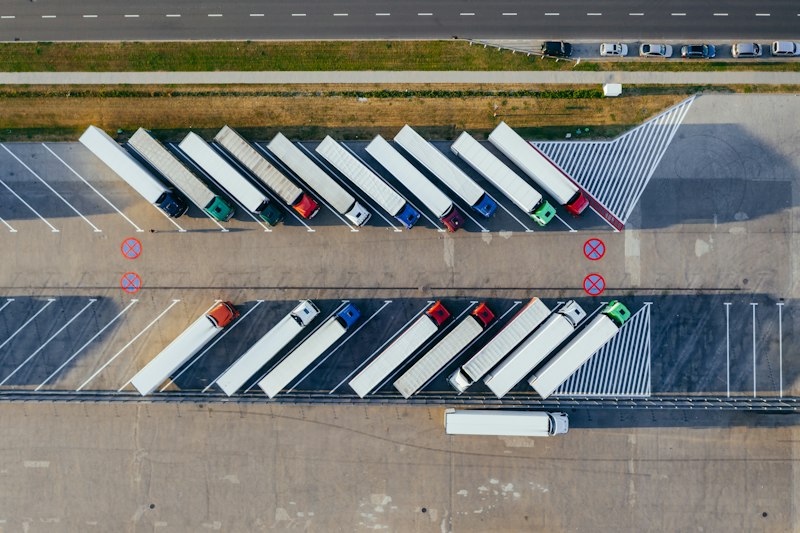
Special rubber compounds effectively resist chemical corrosion from HCl, H₂SO₄, NaOH, and a broad range of industrial chemical media — preventing the swelling, cracking, and surface degradation that cause premature belt failure in chemically aggressive environments and drive up unplanned maintenance costs.
 Mechanical Stability
Stable Mechanical Properties
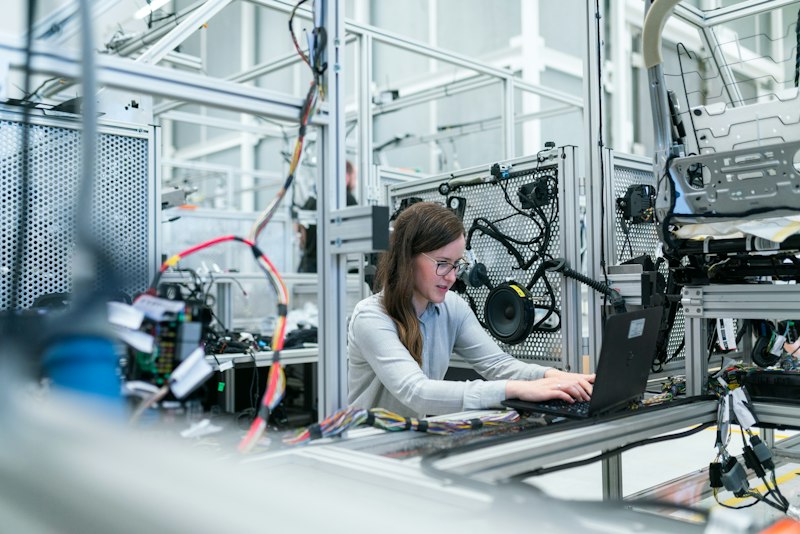
Maintains tensile strength and flexibility even after sustained chemical exposure — with after-aging tensile strength ≥12 MPa and after-aging elongation at break ≥200%, ensuring the belt continues to perform structurally through its full service life without losing the load-bearing capacity your conveying system depends on.
 Anti-Aging
Anti-Aging Performance
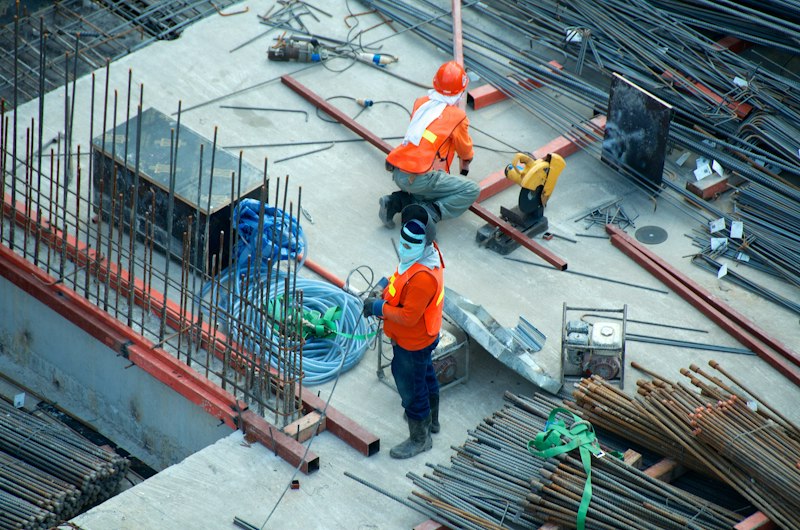
Resistant to ozone, heat, and environmental aging — confirmed by standardised ozone exposure testing at (50±5)×10⁻⁸ concentration, 40°C, for 15 hours with zero cracking observed. Protects belt surface integrity over years of continuous operation in chemically active environments where standard rubber ages and hardens rapidly.
 Abrasion Resistance
High Abrasion Resistance
Abrasion loss controlled to ≤200 mm³ — suitable for continuous heavy-duty conveying of abrasive bulk materials in chemical and mining applications. The dual-function cover rubber protects against both chemical attack and mechanical surface wear simultaneously, extending service intervals beyond what single-protection belt constructions can deliver.
 Service Life
Long Service Life
Significantly outlasts standard conveyor belts in acid and alkali environments — reducing replacement frequency, cutting maintenance labour, and minimising the production interruptions caused by emergency belt failures. The extended service interval delivers measurable total cost savings over the full conveyor system lifecycle from first installation onward.
 Extreme Conditions
Reliable in Extreme Conditions
Engineered specifically for industries where standard belts fail quickly — maintaining structural integrity and conveying performance under the combined stress of chemical immersion, mechanical load, abrasive materials, and environmental aging that exceeds the tolerance of conventional rubber belt constructions across continuous 24-hour production operations.
Compared with standard conveyor belts: our acid and alkali resistant belts demonstrate confirmed volume change rates of ≤10% after 96-hour immersion in 18% HCl, 50% H₂SO₄, and 48% NaOH at 50°C — a performance level standard rubber compounds cannot meet without specialised formulation. Combined with after-aging tensile strength retention ≥12 MPa and zero cracking under standardised ozone exposure, these belts deliver a verifiable performance advantage that translates directly into lower replacement frequency, fewer emergency shutdowns, and measurably lower total cost of ownership.
Ready to upgrade your chemical conveying system?
Share your chemical type, concentration level, and operating conditions — our engineers will specify the correct acid and alkali resistant belt grade and construction for your application.