Sealing Conveyor Belt | JOYTRANS
Sealing Conveyor Belt

Stop Dust, Rain
& Material Loss
During Conveying

Sealing Conveyor Belt for Ports, Cement, Grain & Bulk Material Handling — engineered to keep every ton where it belongs.

Rain & Snow Protection — keeps material dry in all weather
Zero Dust Leakage — sealed channel stops airborne contamination
Reduced Material Loss — protect every ton for maximum profit
50+ Countries Served
The Problem

Why Open Conveyors Cost You More
Than You Realize

Standard open conveyor belts expose your operation to preventable losses every single day — from regulatory fines to wasted material and inflated labour costs.
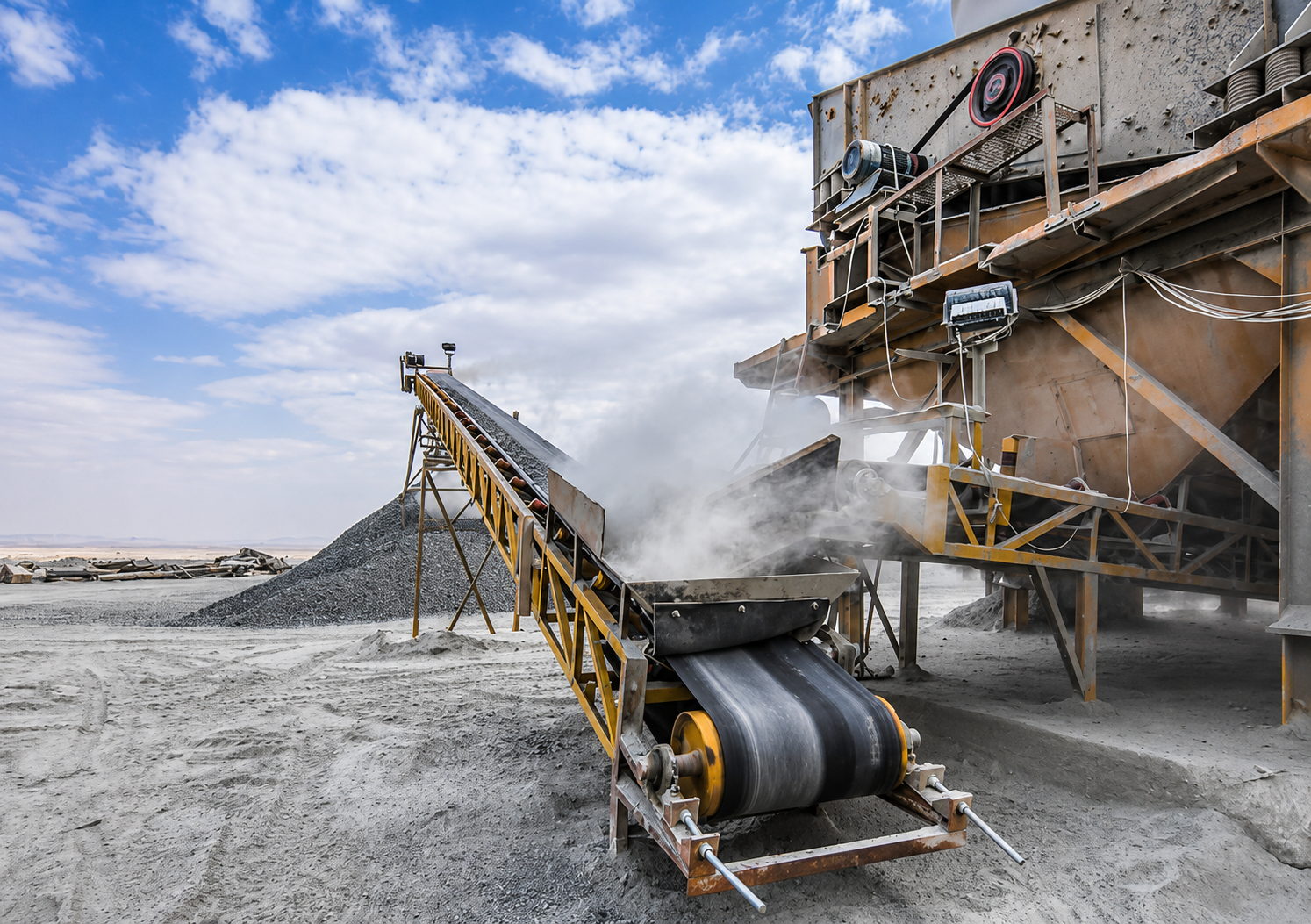
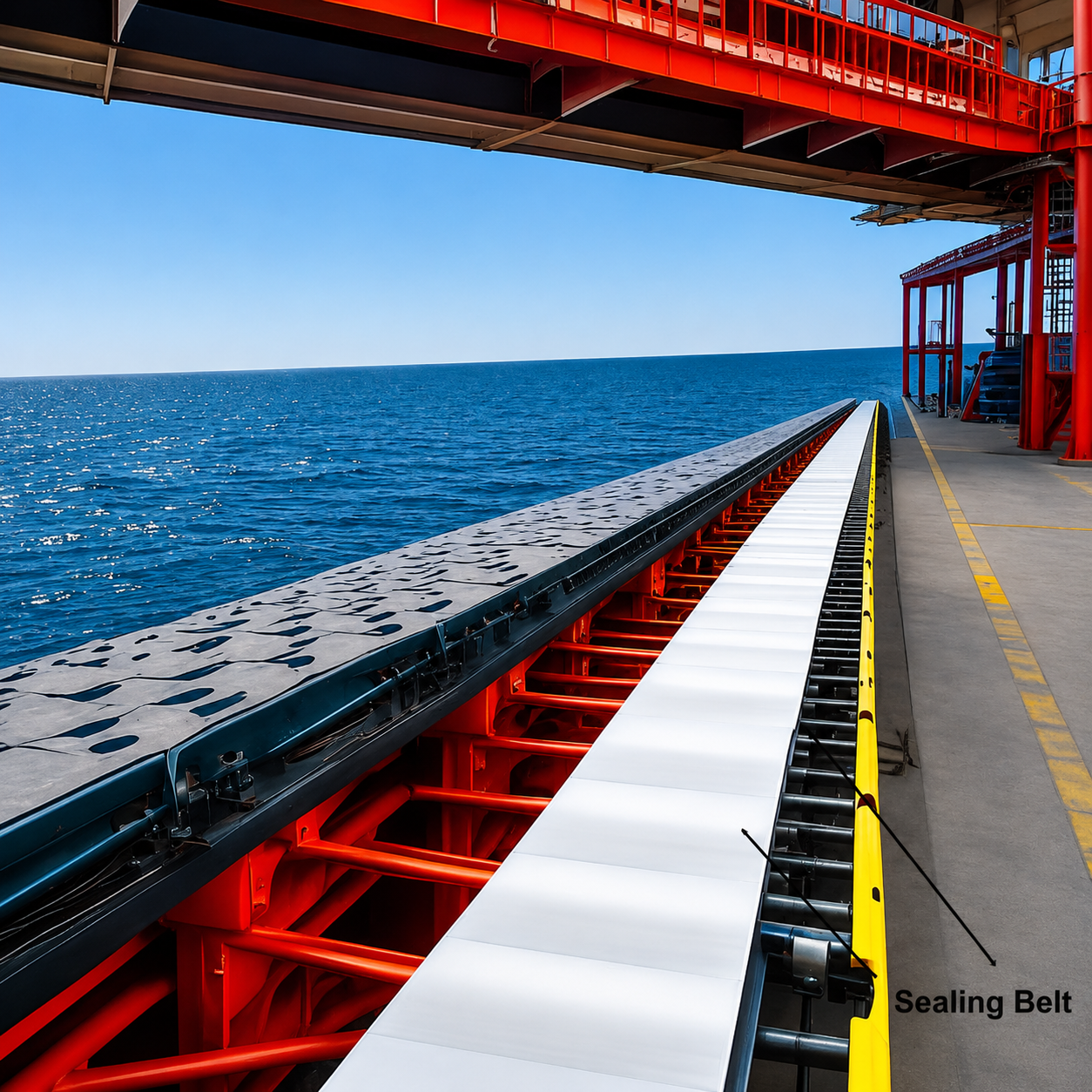
Standard Open Belt — Daily Problems
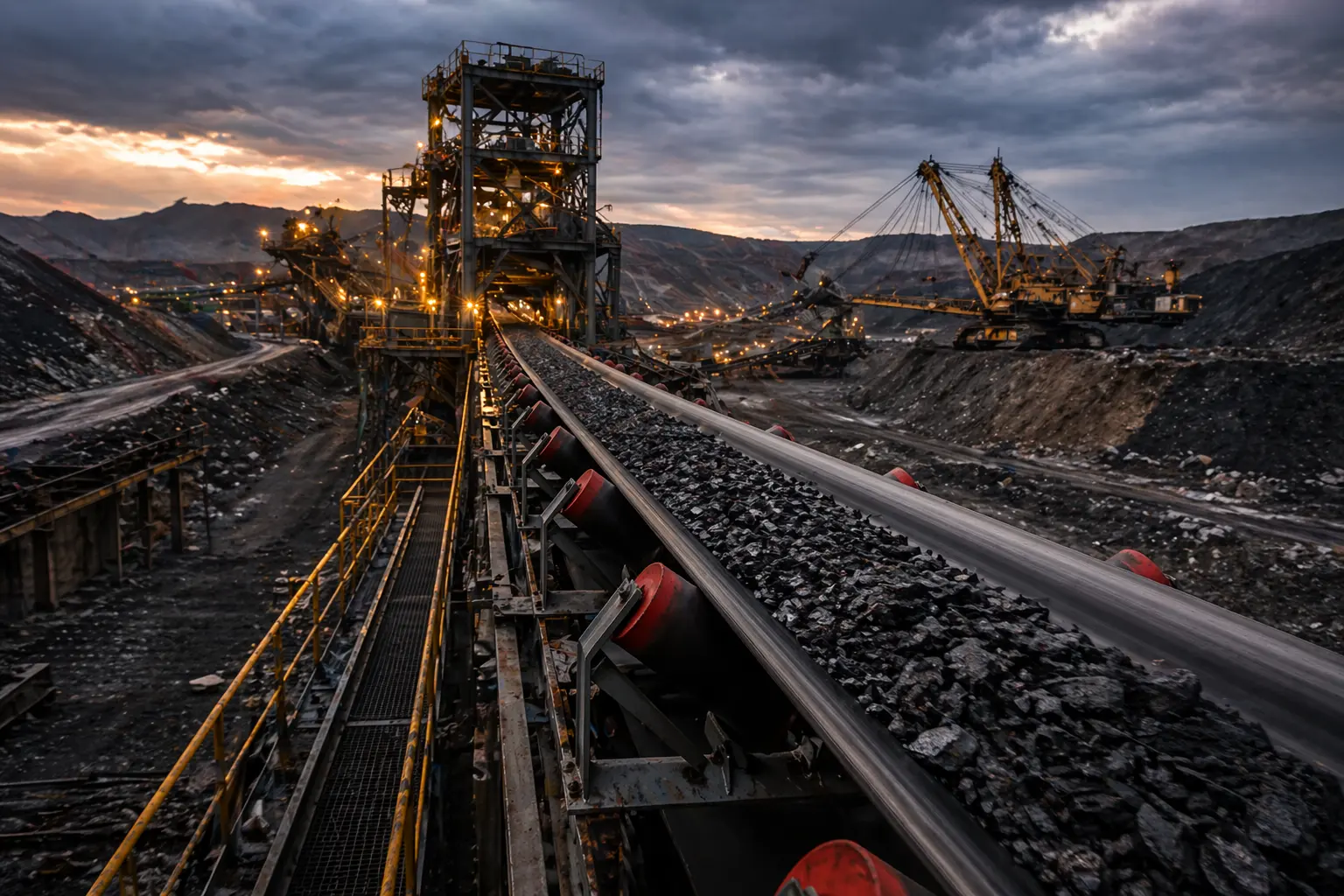
Open conveyor with dust and spillage
Sealing Belt — Controlled & Protected
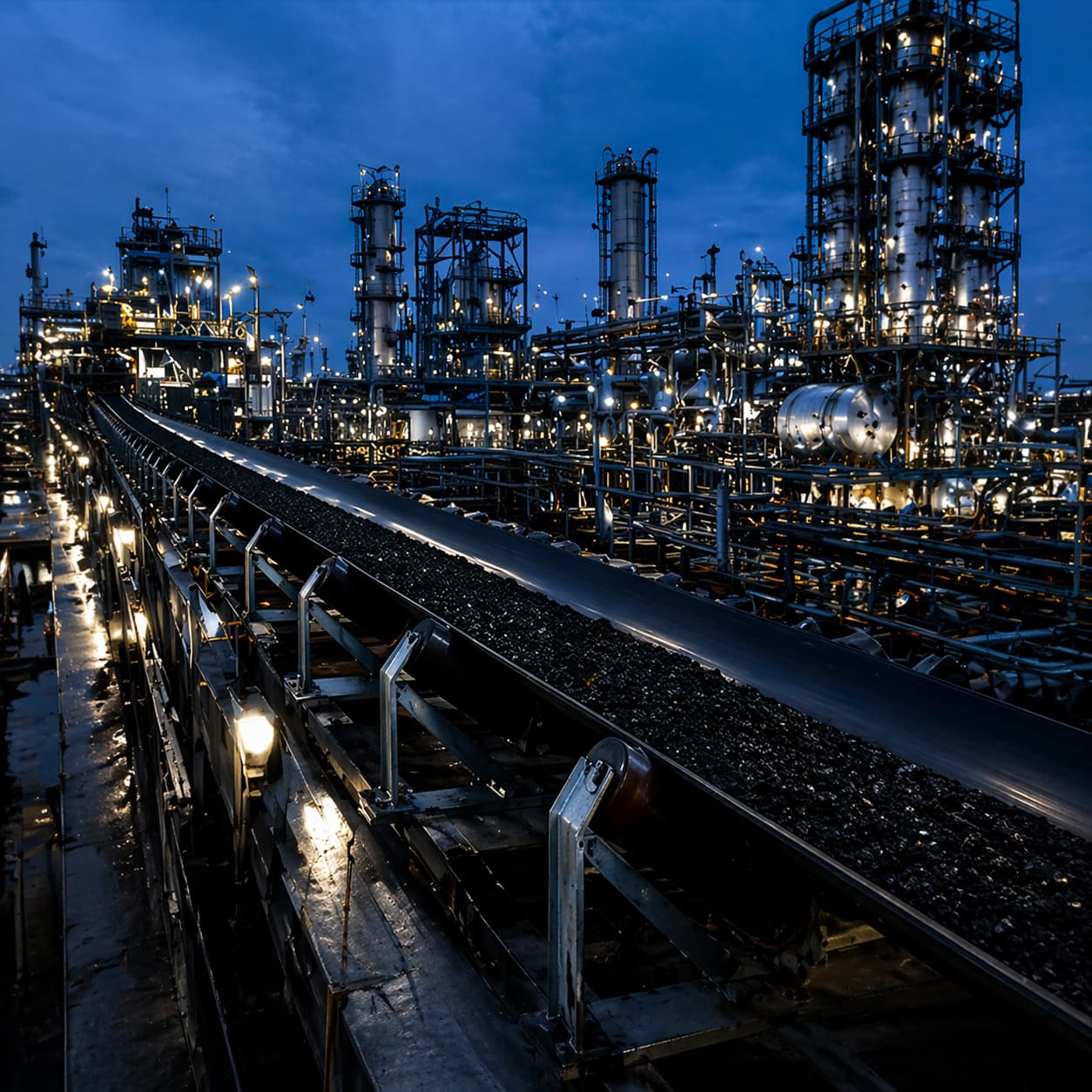
Clean industrial conveyor system
Dust Pollution
Airborne dust from uncovered belts triggers environmental audits, regulatory fines, and community complaints — shutting down operations at the worst possible time.
Material Spillage
Every meter of uncovered conveyor loses material at the edges. Multiply that across shift hours and annual tonnage — the revenue lost is rarely tracked, but always significant.
Rainwater Contamination
Wet weather ruins grain, coal, and cement alike. Moisture absorption during transport leads to rejected loads, damaged equipment, and costly rework that no factory can afford.
High Maintenance Cost
Constant sweeping, belt cleaning, and spill recovery consume labour hours daily. What seems like a small inconvenience compounds into a major operational cost over any given year.
Every ton of spilled material is a direct loss of profit.

Ready to stop the losses? Talk to our engineers about a sealing solution for your system.

Request a Consultation
Working Principle

How the Sealing System
Eliminates the Problem
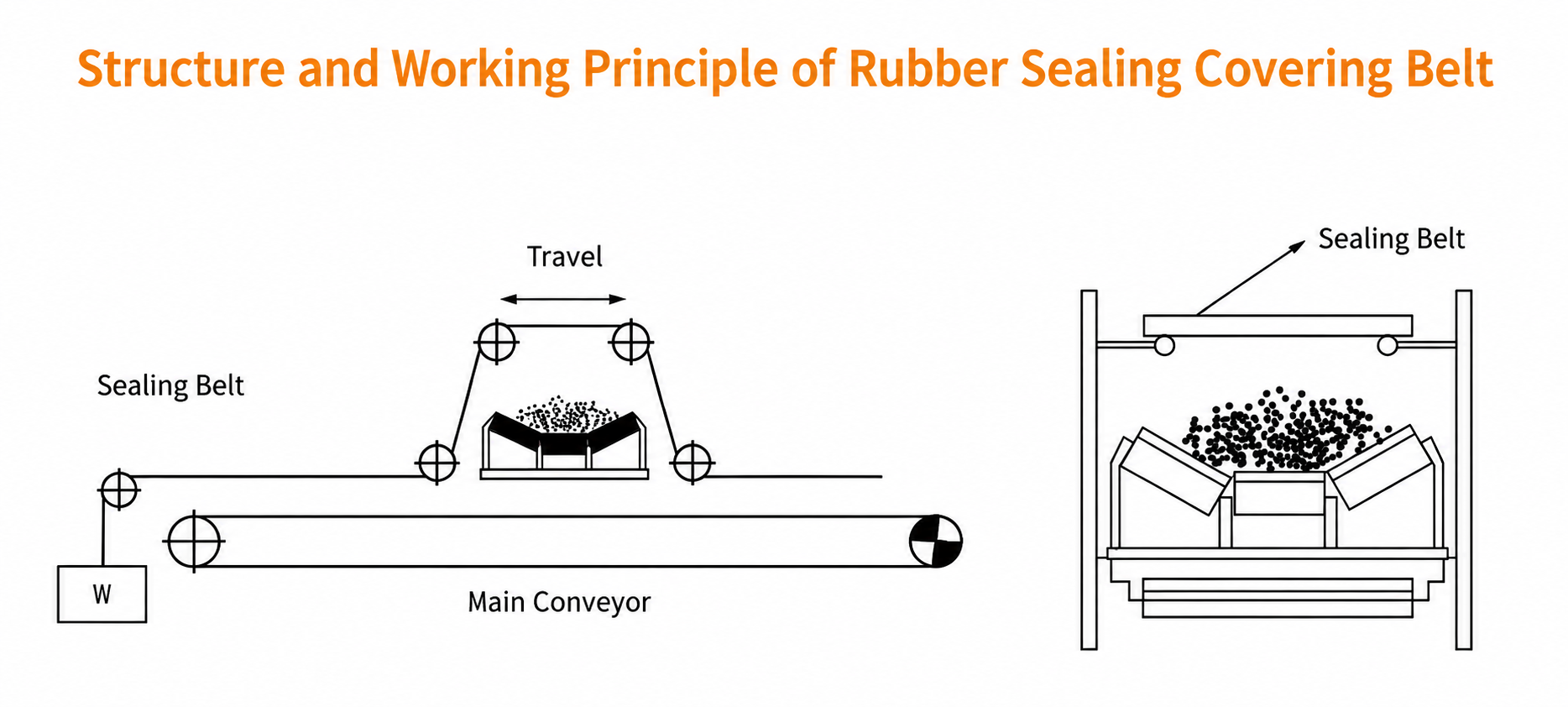
Sealed conveyor structure diagram
Main Conveyor Belt Upper Sealing Belt Steel Bar Structure Counterweight System Return Section

The upper sealing belt runs above and parallel to the main carrying belt, pressed into contact by the steel bar frame and counterweight system. Together they form a fully enclosed conveying channel — no gaps, no exposure, no losses.

01
Main Conveyor Belt
Carries bulk material at designed speed and capacity — unchanged from your existing system, requiring no major retrofit.
02
Upper Sealing Belt
Sits above and seals the material channel. The flexible rubber compound conforms to the belt edges, eliminating gaps where dust and material can escape.
03
Steel Bar & Counterweight
Rigid steel bars spaced evenly provide transverse rigidity while the counterweight maintains consistent sealing pressure automatically along the full belt length.
Rainwater Wind & Sand Dust Emission Material Splash
Want to see the full technical drawing? Download Spec Sheet
Our Advantage

Six Reasons Our Sealing Performance
Outperforms the Market

Two decades of conveyor belt manufacturing have taught us exactly where sealing systems fail. Our engineering eliminates every one of those failure points.

01
360° Full Enclosure
Zero-Gap Design
The upper sealing belt combined with edge rubber strips creates a completely enclosed channel — material stays inside, and environmental contaminants stay out, at every point along the conveyor.
02
Anti-Dust Design
Particle Containment
The sealed channel suppresses airflow turbulence that generates dust. Fine particles — coal dust, cement powder, grain chaff — remain contained throughout loading, transport, and discharge.
03
Weather Protection
All-Season Performance
Tested in heavy rain, snow, and high-wind environments, the sealing belt's rigid steel-bar framework sheds water naturally without sagging — keeping your material bone dry regardless of the forecast.
04
Low Material Loss
Profit Protection
Operators using our sealing belt report up to 85% reduction in material spillage within the first operational quarter — directly recovered as revenue with zero additional operational input.
05
Long Service Life
3–8 Years Durability
Premium-grade rubber compounds combined with reinforced fabric carcass deliver service lives of 3–8 years under normal operating conditions — far exceeding cheaper alternatives that require frequent replacement.
06
Energy Saving
Lower Running Costs
The sealing system eliminates the energy-intensive secondary cleanup equipment — belt scrapers, dust collectors, water suppression systems — dramatically reducing your total conveying operation cost per tonne.

Want a detailed technical comparison? Our engineers can prepare a custom performance report for your application.

Talk to an Engineer
Engineering Detail

Structure Design Analysis
— Built to Last

Every component of our sealing belt system is designed for a specific function. Understanding what's inside helps you understand why it outperforms.
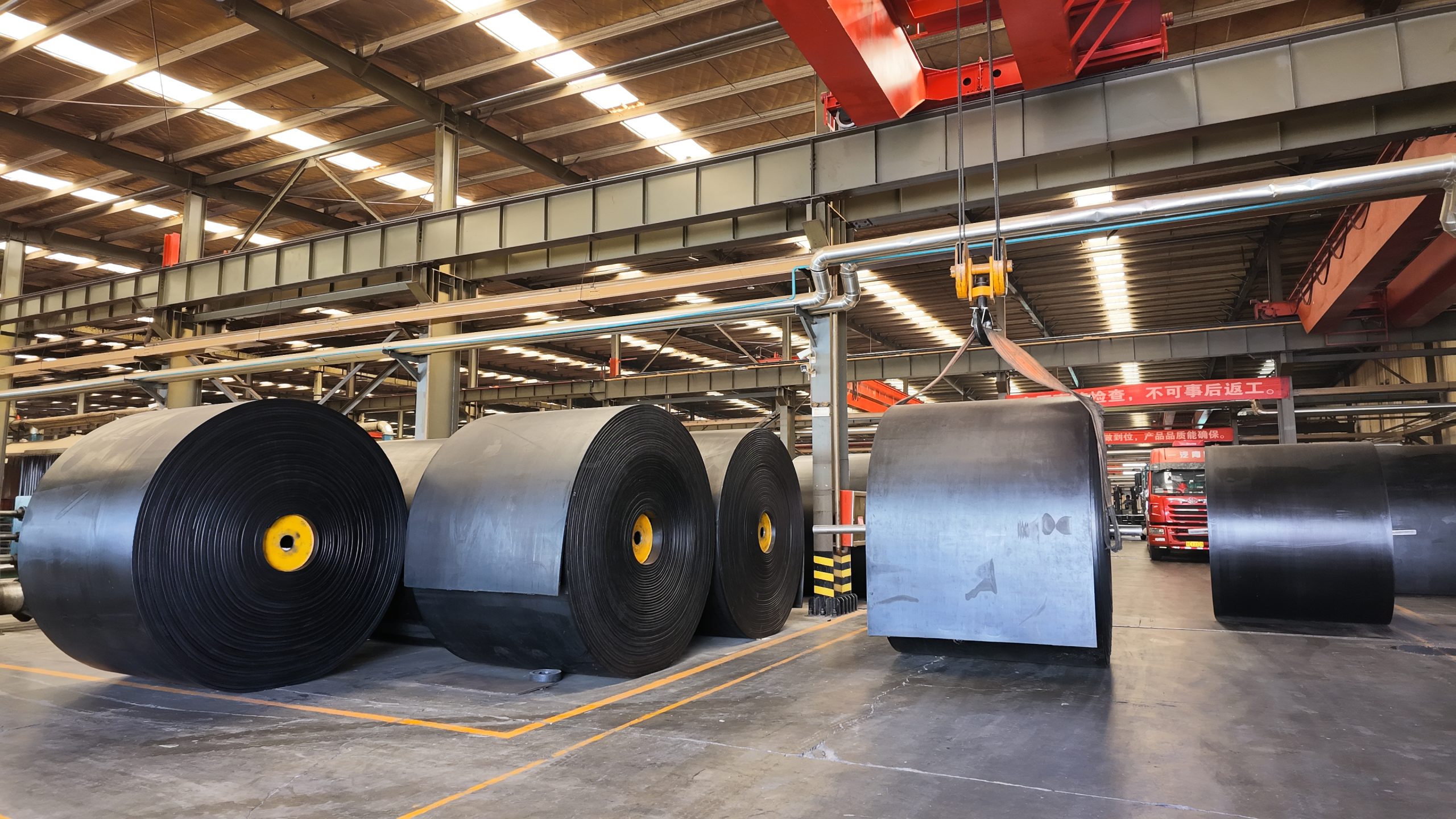
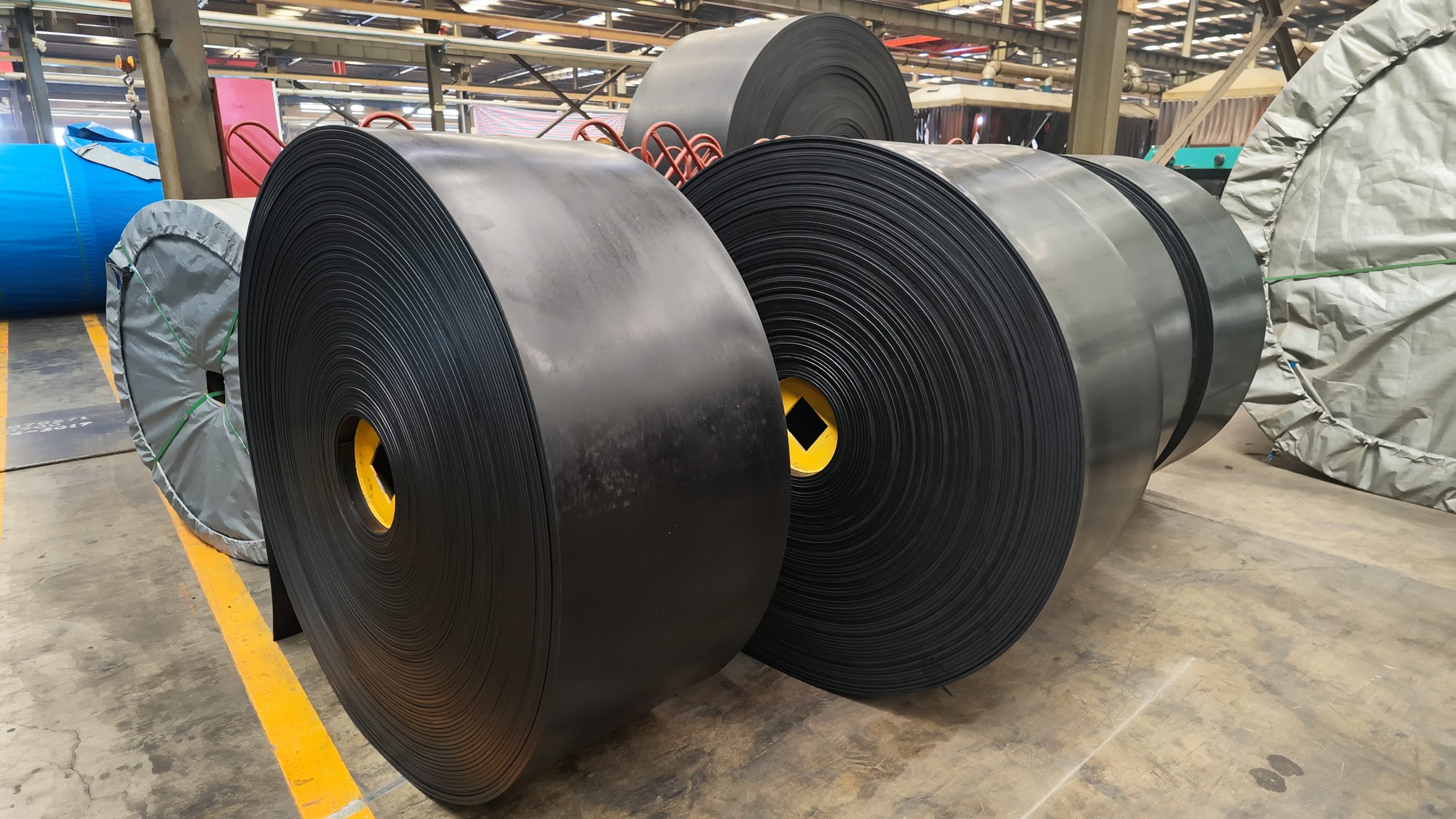
Sealing conveyor belt system overview
① Cover Rubber ② Steel Bar ③ Rubber Strip ④ Fabric Reinforcement ⑤ Edge Sealing ⑥ Bottom Belt ⑦ Counterweight Device
Sealing conveyor belt cross-section structure design
Cover Rubber Outer Shield
Premium rubber compound forms the outer weathering surface. Available in standard, heat-resistant, oil-resistant, and flame-retardant grades to match your operating environment.
Steel Bar Structure Core Frame
Evenly spaced square or mesh steel bars provide transverse rigidity across the belt width, preventing sag under load or wind pressure while maintaining longitudinal flexibility for smooth operation.
Rubber Strip Edge Seal
Soft rubber strips run along both lateral edges, conforming to the main belt surface under counterweight pressure — the first line of defense against dust and material escape.
Fabric Reinforcement Tensile Core
EP (Polyester-Nylon) or NN (Nylon-Nylon) fabric plies bonded in vulcanized rubber provide tensile strength and impact resistance, ensuring the belt holds its shape through years of continuous operation.
Edge Sealing Structure Gap Eliminator
The profiled edge geometry ensures the sealing belt meets the main belt at a controlled angle with consistent pressure — eliminating the micro-gaps that allow dust to escape in competing designs.
Bottom Conveyor Belt Main Carrier
Compatible with any standard troughed conveyor system. The sealing belt system integrates with your existing infrastructure without requiring a full conveyor replacement or major civil works.
Counterweight Device Auto-Pressure
Gravity-driven counterweights automatically maintain the correct sealing pressure along the full belt length — no manual adjustment required, no pressure loss over time, no operator dependency.
Need engineering drawings or a custom structure recommendation for your project? Request Engineering Support
Industry Applications

Trusted Across Every Heavy Industry
That Moves Bulk Material

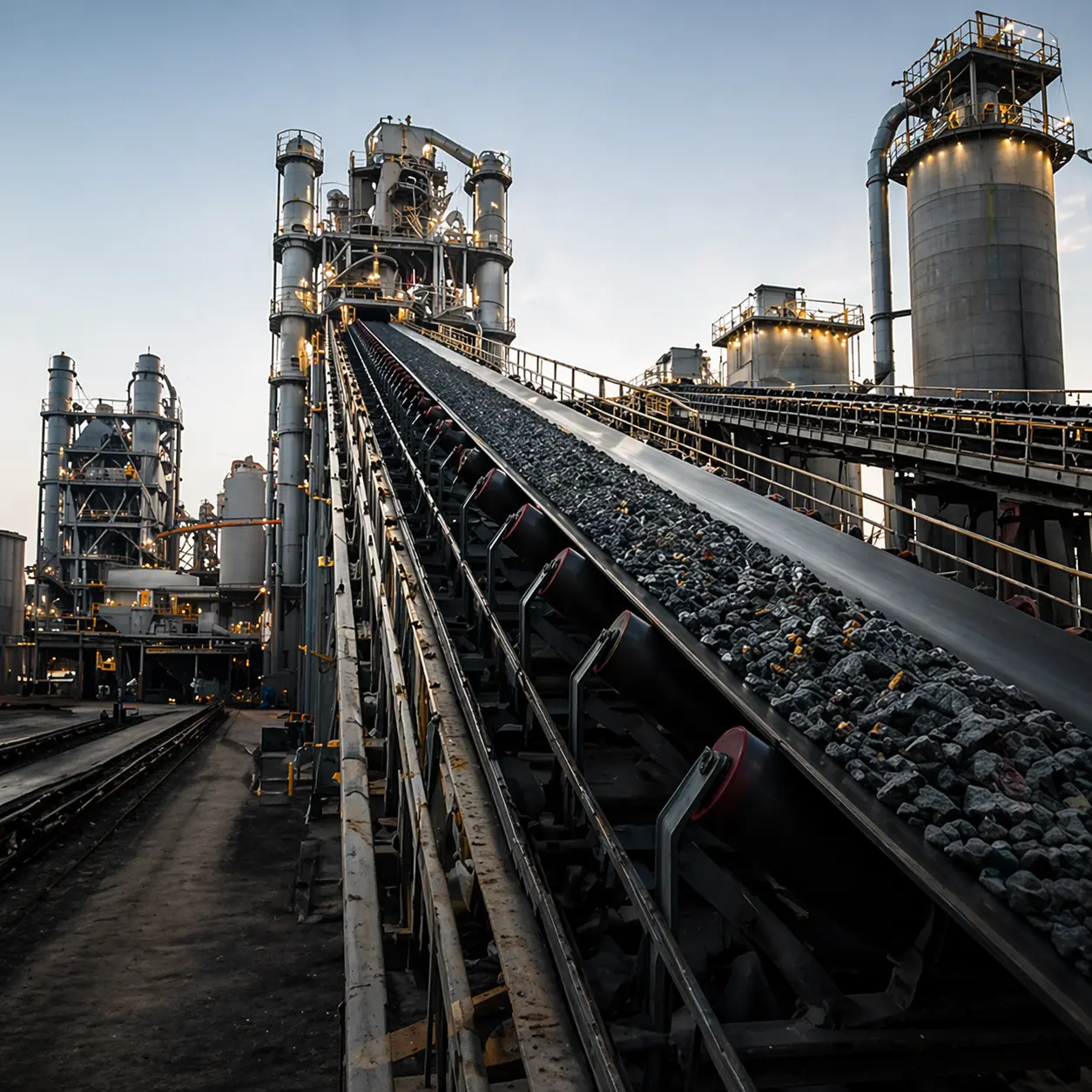
From ocean-side port terminals battered by salt winds to underground coal conveyors where every gram counts — our sealing belt performs where others fail.
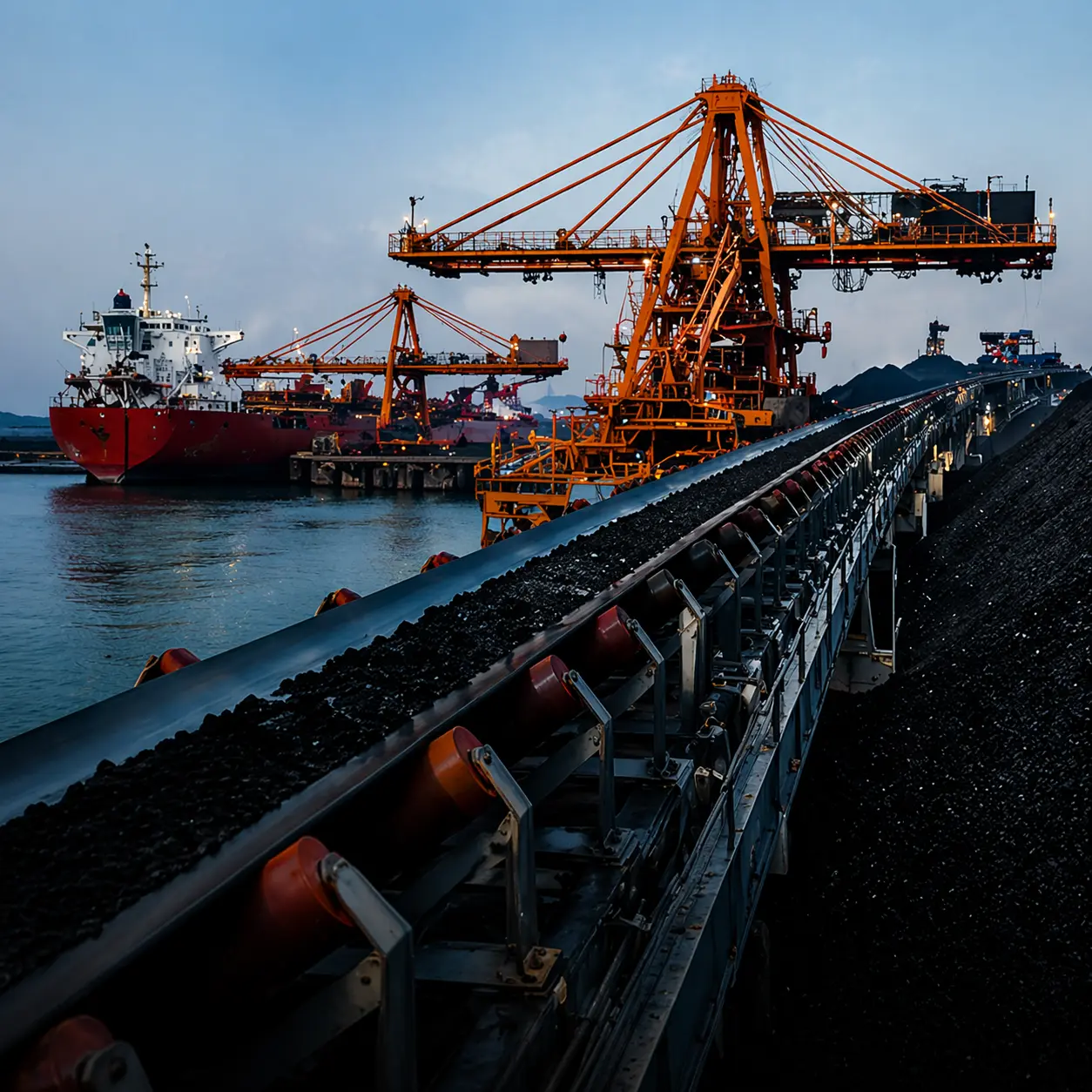
Port Terminal
Marine Environment
Port Terminal
Cement Plant
High-Dust Environment
Cement Plant
Coal Mine
Underground & Open-Cast
Coal Mine
Grain Storage
Moisture-Critical
Grain Storage
Power Plant
Flame-Retardant Grade
Power Plant
Chemical Plant
Chemical-Resistant Grade
Chemical Plant

Not sure if our sealing belt matches your industry requirements? Let's talk through your specific operating conditions.

Discuss My Application
Technical Data

Specifications & Selection Guide

Every project is different. Use the parameter table to verify compatibility, and the selection guide to identify the right belt grade for your conditions.

Technical Parameters
Parameter Specification
Belt Width 400 – 2400 mm
Tensile Strength (EP) EP100 – EP800
Tensile Strength (NN) NN100 – NN800
Cover Grade (DIN) DIN X / Y / W
Cover Grade (RMA) RMA I / II
Heat Resistant 80 °C – 200 °C
Special Grades
Flame Retardant Oil Resistant Anti-Static
Steel Bar Spacing Custom per project
Reinforcement Structure Square Bar / Mesh
Service Life 3 – 8 Years (normal conditions)
How to Select a Sealing Conveyor Belt
1
Identify Your Material
Coal, grain, cement, ore, and chemicals each impose different abrasion, chemical, and temperature demands. Material type determines cover grade.
2
Confirm Belt Width
Match the sealing belt width to your existing main conveyor belt. We supply from 400 mm to 2400 mm, with custom widths available on request.
3
Check Operating Temperature
Standard grades handle ambient conditions. If your material exceeds 60°C at point of loading, specify a heat-resistant cover rated to your actual peak temperature.
4
Define the Environment
Outdoor exposure, underground tunnels, fire-risk environments, and chemical splash all call for specific compound grades. Describe your environment and we'll specify accordingly.
5
Get a Recommendation
Share your parameters with our engineering team and receive a full product recommendation with drawings within 48 hours, at no cost.

Share your conveyor specs and receive a complete product recommendation and quotation within 48 hours.

Get a Custom Recommendation
Custom Manufacturing

From Your Specs to Delivery
— Every Step Controlled In-House

With over 20 years of rubber belt manufacturing expertise and a fully integrated production facility, we deliver custom sealing belts that fit your system precisely — not approximately.

Step 01
Requirement Analysis
Our engineers review your conveyor dimensions, material type, operating environment, and tonnage requirements to define the optimal belt specification before a single gram of rubber is mixed.
Step 02
Engineering Drawing
Detailed technical drawings are produced and shared with you for approval. This ensures dimensional accuracy and sets the production standard before manufacturing begins.
Step 03
Production
In-house compounding, calendering, and vulcanization under controlled conditions. Every batch uses rubber compounds tested to meet the specified DIN, RMA, or project-specific performance grade.
Step 04
Quality Inspection
Tensile strength, elongation, abrasion resistance, and dimensional checks are conducted on each production lot. ISO 9001-certified processes ensure no non-conforming product leaves our facility.
Step 05
Delivery
Belts are wound, labelled, and packaged for sea freight or air freight export. Shipping documents, test reports, and installation guidance are included with every order.
What Can Be Customized
Belt Width
400 mm – 2400 mm, any increment to match your system
Tensile Strength
EP / NN from 100 to 800 N/mm per ply
Heat Resistance
Standard to 200 °C rated compound grades available
Flame Retardant
FR compound meeting international fire-safety standards
Belt Length
Produced to your exact conveyor length, spliced or endless
Reinforcement Structure
Square bar or mesh steel reinforcement per load requirement

Have a project with non-standard dimensions or challenging conditions? Our engineers are ready to design a solution for you.

Start Your Custom Order
Project References

Real Projects. Measurable Results.

These are not estimates or simulations. The following results were recorded by clients in live operations after installing our sealing belt system.

Indonesia · Coal Terminal
Indonesia
Coal Port
Belt Width 1200 mm
Belt Length 300 m
Grade EP400 · FR
Measured Outcome 85% Reduction in airborne dust — environmental compliance achieved in first month of operation, eliminating prior regulatory risk.
Southeast Asia · Cement
Cement Plant
Project
Belt Width 1400 mm
Application Clinker Transport
Grade EP500 · Heat 120°C
Measured Outcome 70% Reduction in material loss — recovered tonnage translated directly to increased monthly output without any change in raw input or production schedule.
South Asia · Agriculture
Grain
Terminal
Belt Width 1000 mm
Application Outdoor Grain Conveyor
Grade EP300 · Weather Resistant
Measured Outcome Rainy-season moisture contamination issue fully resolved. Zero rejected loads in the 18 months following installation — a first in the facility's operating history.
Frequently Asked Questions

Everything You Need to Know
Before You Order

If you're evaluating sealing conveyor belts for the first time or comparing suppliers, these are the questions that matter most.

What is a Sealing Conveyor Belt?
A Sealing Conveyor Belt — also called a Cover Sealing Belt or Rubber Sealed Cover Belt — is a protective belt installed above the main conveyor belt. It forms an enclosed conveying space to prevent dust emission, material spillage, rainwater intrusion, and environmental contamination during bulk material transportation. The enclosed channel is maintained by a steel bar frame and counterweight tensioning system running the full length of the conveyor.
How does it prevent dust leakage? +
The sealing belt creates a covered conveying channel above the main belt. Combined with a reinforced structure and profiled edge sealing design, it effectively contains airborne dust and prevents material from escaping during loading, conveying, and unloading. The system eliminates the turbulent airflow at belt edges that is the primary cause of dust generation on open conveyors.
Can it be used outdoors? +
Yes. Sealing Conveyor Belts are specifically designed for outdoor applications. They provide excellent protection against rain, snow, wind, and dust, making them ideal for ports, ship loaders, cement plants, power stations, mines, and bulk material terminals. The steel bar rigidity ensures the belt sheds rainwater naturally without sagging or pooling.
What belt widths are available? +
We manufacture sealing belts from 400 mm to 2400 mm in width to match different conveyor systems. Standard widths include:
  • 500 mm / 650 mm / 800 mm
  • 1000 mm / 1200 mm / 1400 mm
  • 1600 mm / 1800 mm / 2000 mm
  • Custom widths available on request
Is flame-retardant grade available? +
Yes. We offer flame-retardant rubber compounds that comply with international standards for coal, power generation, ports, and other fire-risk environments. Additional specialty grades available include:
  • Flame Retardant (FR)
  • Oil Resistant (OR)
  • Heat Resistant (HR) up to 200°C
  • Anti-Static
  • Ozone Resistant
Can you customize to our conveyor system? +
Absolutely. Our engineering team customizes sealing belts to your exact requirements, including:
  • Conveyor width and length
  • Material type and abrasiveness
  • Operating environment and temperature
  • Steel bar spacing and reinforcement structure
  • Cover rubber grade and tensioning system
Technical drawings and design support are available before production begins, at no additional cost.
What is the service life? +
Service life depends on operating conditions, material abrasiveness, and maintenance practices. Under normal operating conditions, a high-quality sealing conveyor belt typically delivers 3–8 years of service life. Using premium rubber compounds and performing scheduled maintenance can significantly extend operational life beyond this range.
How long is the production lead time? +
Standard production lead times are:
  • Standard specifications: 15–25 days
  • Customized orders: 20–35 days
  • Large project orders: subject to project scope
For urgent projects, expedited production schedules may be available. Contact us with your timeline and we will advise on feasibility.
What industries commonly use Sealing Conveyor Belts? +
Sealing conveyor belts are widely used across bulk material handling industries:
  • Ports and Ship Terminals
  • Cement Plants and Clinker Handling
  • Coal Mines and Coal-Fired Power Plants
  • Grain Handling and Agri-Terminals
  • Steel Mills and Iron Ore Processing
  • Chemical Plants and Fertilizer Facilities
Do you provide installation guidance? +
Yes. Every order includes technical drawings, installation instructions, and access to online engineering support. For large or complex projects, we can also provide project consultation services to ensure successful installation and optimal performance from day one.