Ozone Resistant
Conveyor Belt
For Outdoor
Designed to resist ozone cracking, UV aging and outdoor weather exposure for longer service life — wherever the sun, air and elements push standard belts to failure.
How to Choose the Right
Ozone Resistant Conveyor Belt
Three decisions determine whether your outdoor belt lasts three seasons or three years: carcass type, rubber compound grade, and ozone resistance level. Use this guide to specify correctly the first time.
Nylon Carcass
EP carcass combines polyester warp and nylon weft to deliver low elongation and excellent dimensional stability — critical for long outdoor conveyor systems where stretch means misalignment.
- Lower elongation → better dimensional stability on long conveyors
- Higher moisture resistance → ideal for outdoor and coastal sites
- Better splice performance → longer joint life in outdoor conditions
- Higher tensile strength-to-thickness ratio
- Recommended for: mining, ports, cement, power plants
Nylon Carcass
NN carcass uses nylon in both warp and weft directions, giving it outstanding flexibility and impact resistance — suited for high-load impact points and systems requiring maximum troughability.
- Excellent flexibility → conforms well to idlers and curves
- Higher impact resistance → absorbs shock loads from lumpy material
- Better troughability → effective for deep-troughed outdoor systems
- Recommended for: short conveyors, high-impact loading points
Standard blended compound with chemical and wax-based anti-ozone protection. Anti-ozone agents migrate to the surface forming a protective barrier that reacts with ozone before it reaches the rubber.
CR rubber has halogen atoms in its backbone that sterically hinder ozone attack. Inherently ozone-resistant without additives, also offering good flame retardancy — preferred near electrical equipment where ozone concentration is higher.
EPDM has very few double bonds in its main polymer chain — only in side chains via ENB or DCPD. This molecular structure makes it inherently the most ozone and UV resistant rubber, with excellent long-term outdoor weathering performance.
| Test Item | Carcass Type: NN & EP | Minimum Value | |
|---|---|---|---|
| Cover Rubber & Ply | Cover thickness > 1.5 mm | 4.5 N/mm | ≥ 4.5 N/mm |
| Cover thickness ≤ 1.5 mm | 4.0 N/mm | ≥ 4.0 N/mm | |
| Ply and Ply | Between fabric layers | 5.0 N/mm | ≥ 5.0 N/mm |
| Property | Req. | Grade Y | Grade W | Grade X | |
|---|---|---|---|---|---|
| Cover Rubber Physical Property |
Tensile Strength (MPa) | ≥ | 20 | 18 | 25 |
| Elongation at Break (%) | ≥ | 400 | 400 | 450 | |
| Abrasion Loss (mm³) | ≤ | 150 | 90 | 120 | |
| Aging Test (70°C × 168h) | — | Not change by more than 25% from original value | |||
| Reference Standards: DIN 22102 · ISO 14890 · Carcass: NN & EP | |||||
Not sure which grade matches your outdoor environment? Send us your site conditions — we'll specify the right belt in 24 hours.
Why Standard Belts
Crack Outdoors
Every standard rubber belt begins degrading the moment it's exposed to outdoor air. Most buyers discover this only after the first winter — or after the first costly replacement.
What Goes Wrong
-
Surface Cracking
Ozone splits the rubber surface under mechanical tension — micro-cracks appear, then propagate rapidly.
-
Rubber Aging
UV radiation breaks polymer chains, causing the compound to lose elasticity and become brittle.
-
UV Damage
Sunlight photodegradation discolours and weakens the cover rubber within months of outdoor exposure.
-
Reduced Flexibility
As rubber hardens, the belt cannot conform properly to pulleys and idlers — misalignment and edge damage follow.
-
Frequent Replacement
A 12–18 month replacement cycle for outdoor standard belts drives up lifetime costs and operational disruption.
-
Unexpected Downtime
Cracked belts fail without warning — shutting down your entire outdoor conveying line at the worst possible moment.
Our Engineering
Answer
Purpose-formulated outdoor rubber compound — validated by 70h ozone aging test with zero cracking result
-
Ozone Resistant Rubber Compound
CR, EPDM or NR/SBR+antiozonant compounds form a molecular barrier — no crack initiation, no propagation.
-
Anti-Aging Performance
HAF/ISAF carbon black reinforcement and antidegradant chemistry extend service life under continuous outdoor UV.
-
Outdoor Durability
Formulated to withstand rain, humidity, temperature swings and direct sunlight without cover hardening or deterioration.
-
Longer Service Life
3–5+ years in outdoor heavy-duty applications — versus 12–18 months for standard grades in the same environment.
-
Better Weather Resistance
Stable rubber properties across all seasons — summer UV load, winter rain and freeze-thaw cycles.
Still running standard belts on outdoor conveyors? Find out how much you could save by switching to the right grade.
Built for Every
Outdoor Industry
Whether it's UV from above or ozone from nearby electrical equipment, these six outdoor environments demand more than a standard conveyor belt.
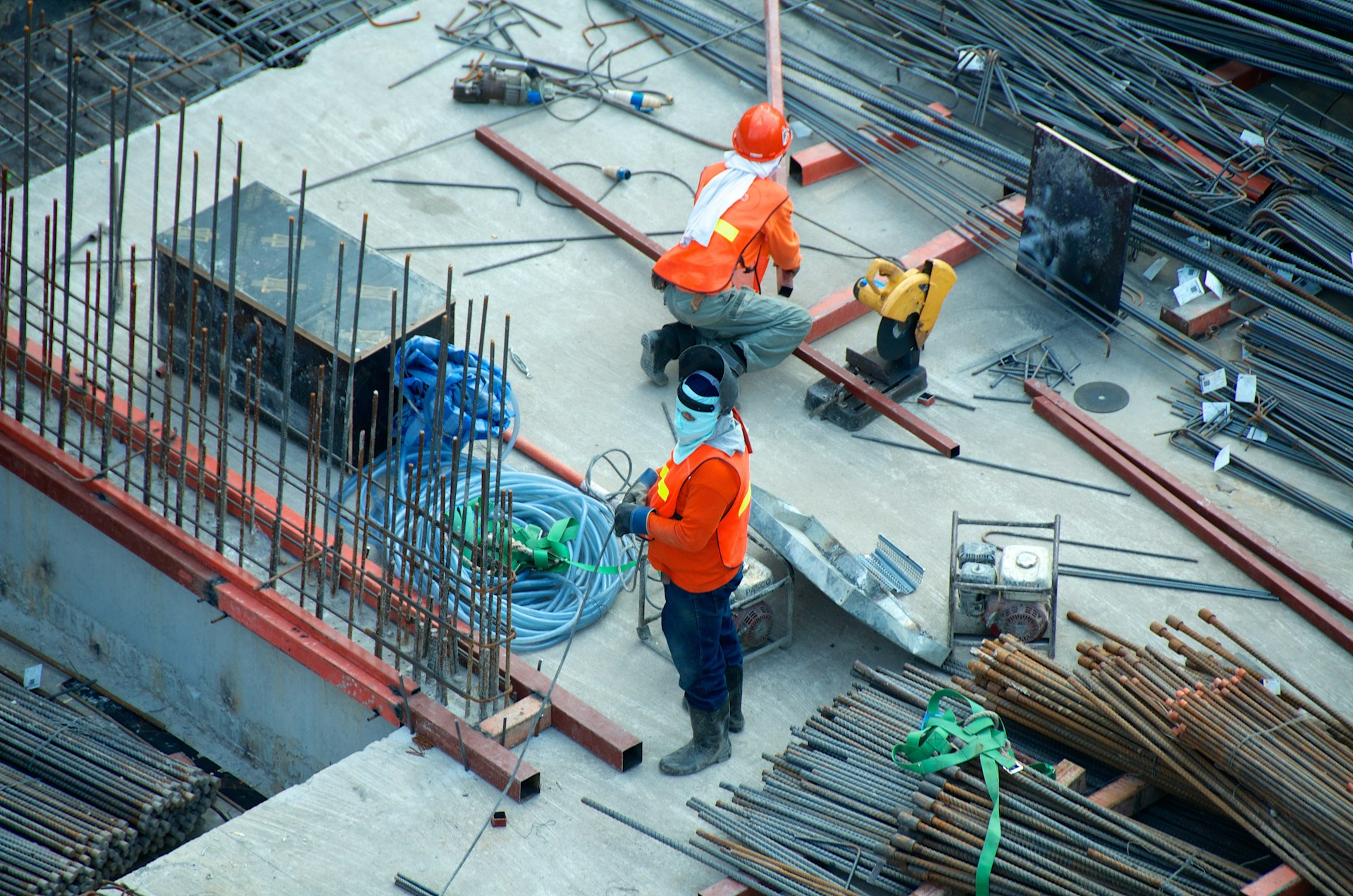
Outdoor Mining Conveyor System
Port Bulk Material Handling

Cement Plant Outdoor Conveyor
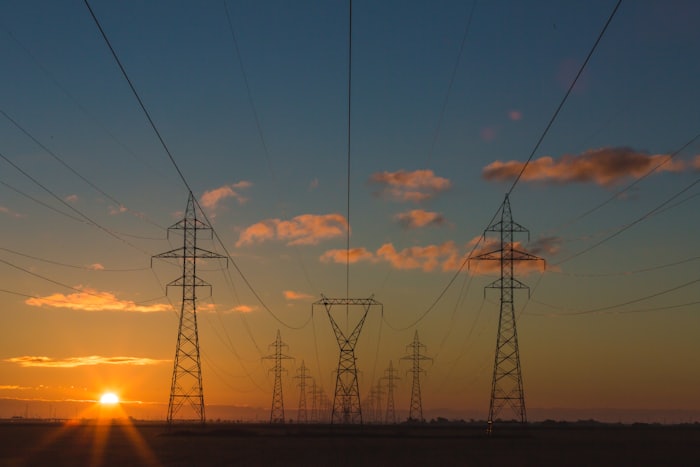
Power Plant Coal Handling
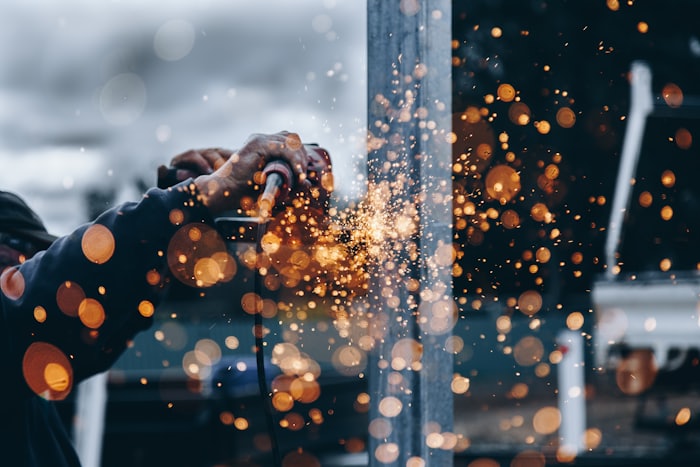
Aggregate & Quarry Industry
Open-Air Material Stockyard
Not seeing your exact application? We custom-engineer belts to your outdoor environment, material and conveyor specification.
What Causes
Conveyor Belt Cracking?
Most belt suppliers don't explain this — but understanding the cause is the only way to choose the right prevention. Ozone cracking is a chemical process, and it needs a chemical solution.

How Ozone Destroys
Standard Rubber
Standard rubber — natural rubber (NR) and styrene-butadiene rubber (SBR) — contains high levels of carbon-carbon double bonds (C=C) in the polymer chain backbone. These bonds are chemically reactive. Four environmental factors combine to attack them:
Atmospheric ozone (O₃) reacts directly with C=C double bonds in the rubber polymer chain. This reaction — called ozonolysis — cleaves the molecular chain and forms unstable intermediates that decompose, creating surface micro-cracks.
Ultraviolet radiation (280–400 nm) provides activation energy for photo-oxidation reactions. UV light breaks rubber polymer chains directly and accelerates the oxidation cycle, causing surface embrittlement at a rate 2–5× faster than ozone alone.
Atmospheric oxygen continues degradation through auto-oxidation of cracked areas. Temperature cycling causes repeated expansion and contraction, widening initial micro-cracks into visible surface failures that expose fresh rubber to further attack.
A belt under operating tension is far more vulnerable than an unstressed sample. Tensile stress orients polymer chains perpendicular to crack propagation direction — ozone cracks grow fastest and deepest when the belt is under load.
Want to understand which compound prevents ozone attack for your application? Our technical team will explain the right chemistry for your site conditions.
Why Our Ozone Belts
Outlast the Competition
A superior rubber compound is only part of the answer. The material selection, process control, and in-house testing behind every belt is what converts a good compound into a 3–5 year outdoor service life.
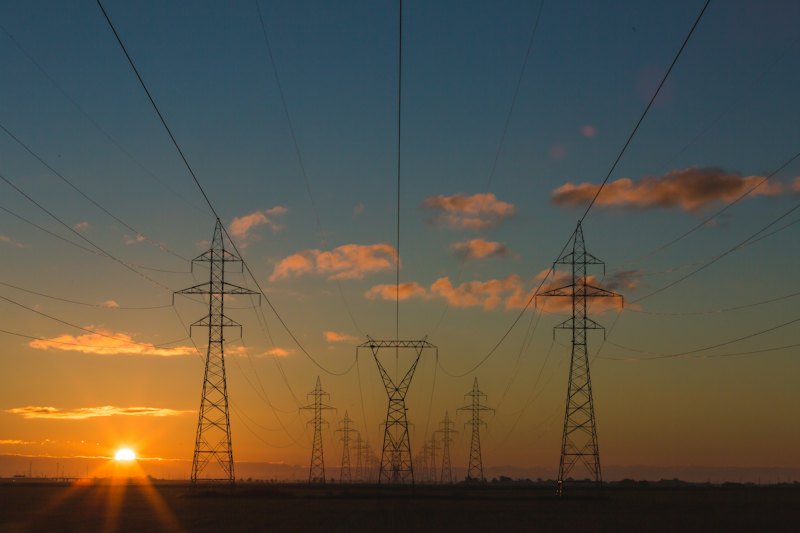
CR, EPDM and antiozonant-enhanced NR/SBR compounds pass 70h ozone aging test at (50±5)×10⁻⁸ concentration with zero cracking — a result most general-purpose belts fail within 15 hours.
HAF and ISAF carbon black reinforcement acts as a UV absorber and free-radical quencher, shielding polymer chains from photodegradation. Combined with antidegradant chemistry, our cover rubber resists hardening and brittleness from continuous outdoor UV exposure.
Standard NR/SBR belts in outdoor environments typically last 12–18 months before cracking requires replacement. Our ozone-resistant belts consistently deliver 3–5 years under identical conditions, reducing total belt cost by 60–70% over the conveyor's operating life.
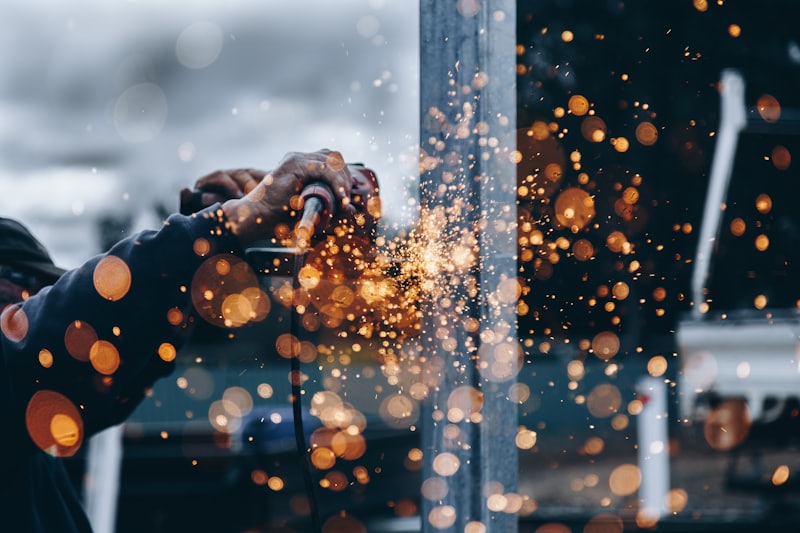
Grade W achieves abrasion loss ≤90mm³, Grade X ≤120mm³ under DIN 22102 test conditions. The same rubber that resists ozone is also formulated for surface durability — handling abrasive material load while simultaneously weathering UV and ozone attack.
Elongation at break ≥400% (Grade Y/W) or ≥450% (Grade X) means the belt remains pliable and troughable across all seasons. Where standard outdoor belts become stiff in heat and brittle in cold, our compound's cross-link density is engineered for year-round stable dynamic properties.
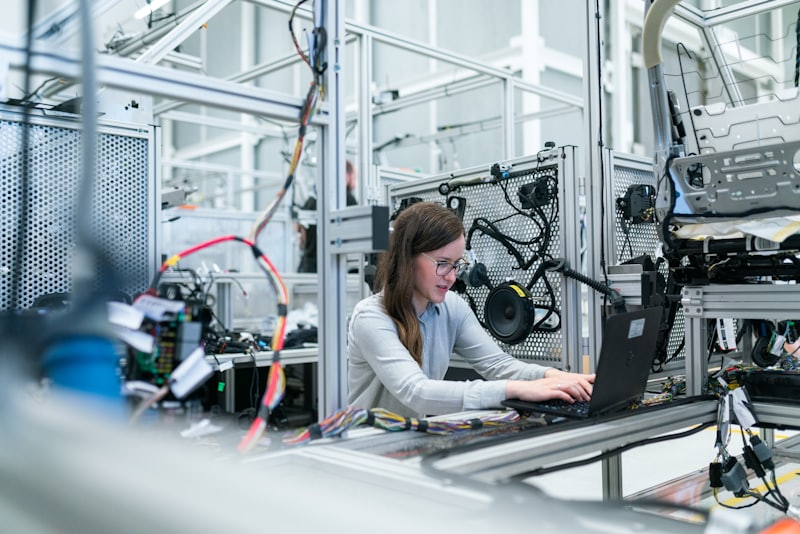
Every batch is manufactured and tested to DIN 22102, ISO 14890 and our ISO 9001:2015 quality management system. Test reports — including ozone aging, tensile strength, adhesion and abrasion results — are available for every production order.
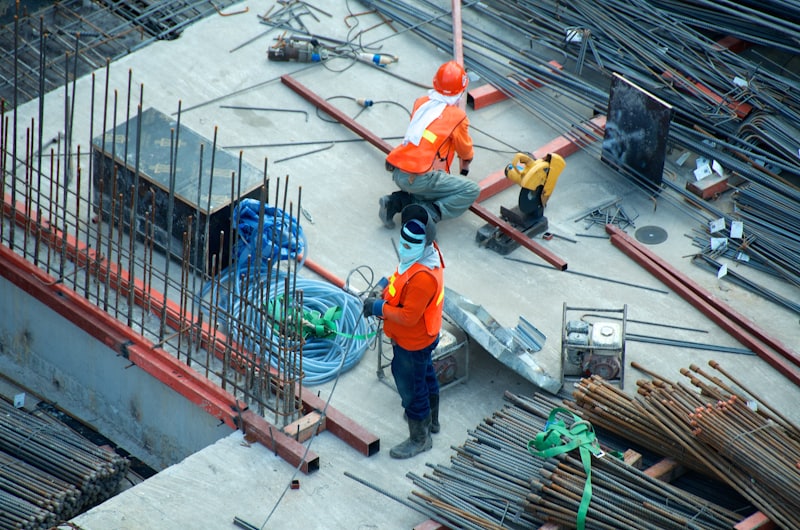


Want to see our full production audit documentation? We share factory reports and test certificates with every serious inquiry.
Every Belt Grade
Tested & Certified
Ozone resistance is a performance claim that requires lab proof, not just a product description. Here is what we test, how we test it, and what the numbers mean for your operation.
Ozone Aging
Test Result
All test results are available as certified lab reports. Request your copy before placing an order — no commitment required.
Ozone Resistant Belt
Technical Q&A
The questions engineers and procurement teams ask before specifying an ozone-resistant outdoor conveyor belt — answered with real data, not marketing language.
Ozone cracking is caused by exposure to ozone gas (O₃), which reacts with the carbon-carbon double bonds (C=C) present in natural rubber (NR) and SBR. The chemical reaction — called ozonolysis — cleaves the polymer chain, creating micro-cracks on the surface. These cracks are most visible when the rubber is under mechanical tension, because tensile stress orients the polymer chains perpendicular to the crack direction, accelerating propagation.
Four environmental factors combine to worsen the problem: ozone in the atmosphere, UV radiation (which accelerates photo-oxidation), atmospheric oxygen (which drives auto-oxidation), and temperature cycling (which expands and contracts the rubber, widening initial micro-cracks). Ozone concentration is also elevated near electric motors, generators and transformers — making any belt near electrical equipment especially vulnerable.
Weather resistant belts are designed to resist rain, moisture, sunlight and temperature changes — they use standard rubber compounds with UV stabilisers and general anti-aging agents. They provide moderate outdoor protection but may still crack over time when exposed to ozone.
Ozone resistant belts provide additional specific protection against ozone chemical attack and surface cracking, using specialised compounds (CR, EPDM, or NR/SBR+6PPD/wax). The ozone resistance is validated by a standardised aging test that standard weather-resistant belts typically cannot pass at the 70h duration. For any outdoor application near electrical equipment, or in regions with naturally elevated ozone levels, ozone resistant grade is the correct specification.
Yes — ozone resistant conveyor belts are specifically engineered for outdoor applications. The same properties that protect against ozone attack (anti-aging chemistry, EPDM/CR base, UV stabilisers) also deliver superior resistance to direct sunlight, rain, temperature extremes and seasonal weathering. They are the correct choice wherever the conveyor operates in open air, regardless of whether the primary concern is ozone or general UV/weather exposure.
Yes. Most ozone resistant conveyor belts incorporate UV resistance as part of the same compound system. HAF/ISAF carbon black reinforcement acts as a UV absorber and free-radical quencher, protecting polymer chains from photo-oxidative degradation. Antidegradant chemistry also provides secondary UV protection. EPDM and CR base compounds are inherently less sensitive to UV attack than NR/SBR because they contain fewer reactive double bonds in the main polymer chain.
Three main rubber compound approaches are used:
- NR/SBR + Anti-Ozone Additives (6PPD/IPPD + wax): Standard blended compound with chemical antiozonants and microcrystalline wax. The wax migrates to the surface forming a physical barrier; 6PPD/IPPD react with ozone chemically. Cost-effective for moderate outdoor environments.
- CR (Chloroprene Rubber / Neoprene): Chlorine atoms in the backbone sterically hinder ozone attack — inherently ozone resistant without chemical additives. Also provides good flame retardancy, preferred near generators and transformers.
- EPDM (Ethylene Propylene Diene Monomer): Double bonds only in side chains (ENB or DCPD) rather than the main chain — dramatically fewer ozone attack sites. Highest inherent ozone and UV resistance; ideal for maximum outdoor exposure applications.
| Feature | EP (Polyester/Nylon) | NN (Nylon/Nylon) |
|---|---|---|
| Elongation | Lower — better dimensional stability | Higher |
| Moisture Resistance | Higher — better for outdoor/coastal | Moderate |
| Splice Performance | Better for long-distance outdoor systems | Good for short conveyors |
| Impact Resistance | Good | Higher |
| Tensile Strength | Higher strength-to-thickness ratio | Good |
For most outdoor applications — including mining, ports, cement and power plants — EP carcass is preferred because its lower elongation and higher moisture resistance make it more stable on long outdoor conveying systems.
Service life depends on operating conditions, material type, UV and ozone exposure intensity, conveyor design and maintenance regime. Under normal outdoor heavy-duty conditions, our ozone resistant conveyor belts typically achieve 3–5 years or longer — compared to 12–18 months for standard NR/SBR belts in the same environment.
- DIN 22102 — Primary standard for textile conveyor belt covers; defines ozone aging test conditions
- ISO 14890 — International standard for rubber or plastics covered textile conveyor belts
- RMA Standards — Rubber Manufacturers Association (North American market)
- AS 1332 — Australian Standard for conveyor belting
- JIS Standards — Japanese Industrial Standards
- GB/T Standards — Chinese National Standards
We can also manufacture according to customer-specific technical requirements and project specifications.
Have a technical question not answered here? Our engineering team responds within 24 hours.