Heat Resistant
Conveyor Belt
High Temperature Material Handling up to 180°C
Designed to prevent cracking, hardening, and premature failure in high-heat industrial environments such as cement, steel, and mining industries.
- Stable performance under continuous temperatures up to 180°C
- Advanced rubber compound for anti-aging and anti-cracking
- High adhesion strength to prevent delamination
- Extended service life compared to standard conveyor belts
Heat Resistant Belt Classification & Technical Specs
Available in multiple carcass types and temperature resistance grades to meet different industrial requirements — both EP fabric and steel cord constructions are available depending on the required tensile strength and application conditions.
Ideal for mildly elevated temperature conveying where materials are warm rather than hot. Maintains full rubber integrity and dimensional stability under moderate, sustained thermal exposure.
Engineered for medium-heat applications where temperature fluctuations regularly exceed standard belt limits. Delivers consistent rubber performance and structural stability across the operating cycle.
Designed for demanding high-temperature processes including sinter, coke, and kiln discharge handling. Resists surface cracking and maintains tensile strength under prolonged, intense thermal stress.
Our highest-grade heat resistant belt — built for clinker, molten slag by-products, and hot ash conveying. Advanced rubber formulation sustains peak performance at the most extreme operating temperatures in any industrial setting.
Choosing the correct temperature grade ensures optimal belt performance and prevents premature aging, surface damage, and costly unplanned downtime in your conveying system.
All heat resistant conveyor belts are manufactured in full compliance with GB/T 20021-2017, the national standard for textile-reinforced heat resistant belts. This ensures consistent raw material quality, precise vulcanization process control, and fully verifiable mechanical performance across every production batch — backed by test reports and certificates of conformance on every shipment.
Superior bonding between cover rubber and carcass layers eliminates delamination risk even under sustained thermal loading and cyclic mechanical stress — extending the belt's structural service life.
Excellent tensile strength is retained at elevated temperatures, ensuring structural integrity and dimensional stability throughout the belt's service life in continuous high-heat conveying operations.
Precision elongation control at elevated temperature prevents belt stretch and misalignment, maintaining consistent tracking and tension for stable, low-maintenance, high-uptime conveyor operation.
Superior resistance to thermal aging and ozone degradation keeps the rubber compound flexible and functional over years of continuous high-temperature exposure — minimizing hardness drift and surface failure.
| Specification | Polyester – Nylon EP |
|
|---|---|---|
| Adhesion | Between cover & ply ≥ N/mm | 3.5 |
| Between plies ≥ N/mm | 4.5 | |
| Full thickness strength in longitudinal / N/mm | 160 ~ 3150 | |
| Elongation at reference in longitudinal / % ≤ | 4 | |
| Specification | T1 | T2 | T3 | T4 | |
|---|---|---|---|---|---|
| Hardness (1RHD) |
Variation of original value | + 20 | |||
| Max. value | 85 | ||||
| Tensile strength (N/mm²) |
Variation of original value | − 25 | − 30 | − 40 | − 40 |
| Min. value | 12 | 10 | 5 | 5 | |
| Cover property Elongation (%) |
Variation of original value | − 50 | − 55 | ||
| Min. value | 200 | 180 | |||
* Data in accordance with GB/T 20021-2017 《Textile Reinforced Heat Resistant Conveyor Belt》. Actual specifications may vary by construction — contact us for certified test reports.
Long-term operational reliability, proven by formulation science: the optimized rubber compound in our heat resistant belts minimizes hardness variation and maintains mechanical properties even under prolonged exposure to high temperatures — reducing replacement frequency, cutting maintenance labor, and lowering total cost of ownership across the full system lifecycle.
Not sure which heat resistance grade or construction is right for your application?
Send us your material temperature and working conditions — our engineers will recommend the most suitable solution at no cost.
Industrial Applications of Heat Resistant Belts
Designed to handle high-temperature materials where standard belts fail — across the world's most demanding industrial conveying environments.
Cement Industry
Transporting clinker, raw meal, and kiln discharge materials at extreme temperatures is one of the most demanding belt applications in the world. Our T3–T4 grade belts maintain structural integrity under continuous thermal loading at cement plants globally — cutting replacement cycles and protecting production uptime.
Clinker · Raw Meal · Kiln DischargeSteel & Metallurgy
Sinter, coke, and hot ore handling in steel mills and smelters exposes belts to extreme, sustained heat and heavy impact. Our heat resistant belts provide the thermal stability and high adhesion strength needed to keep metallurgical conveying lines running reliably without unplanned stoppages or emergency splice failures.
Sinter · Coke · Hot OrePower Plants
Ash handling systems in coal-fired and biomass power plants require belts that withstand hot, abrasive fly ash and bottom ash at elevated transfer temperatures. Our belts combine heat resistance with wear resistance to extend replacement intervals and maximize system availability in these high-wear, high-heat environments.
Fly Ash · Bottom Ash · BiomassMining & Aggregates
Underground mining and surface aggregate processing frequently involve freshly crushed, thermally active materials discharged directly from processing equipment. Heat resistant belts ensure safe, efficient transport from high-temperature extraction and processing zones to storage — protecting equipment and personnel alike.
Hot Ore · Aggregate TransportChemical Processing
Chemical and petrochemical plants handle process materials at elevated temperatures that rapidly degrade standard rubber belts through chemical attack and thermal degradation. Our thermally stable compound maintains flexibility, cover integrity, and sealing performance across demanding processing environments with mixed thermal and chemical exposure.
High-Temp Process MaterialsGlass & Ceramics
Glass production and ceramic kiln operations generate sustained radiant and conductive heat that rapidly destroys standard conveyor belts. Our heat resistant grades provide the thermal barrier and mechanical durability required for reliable material transfer throughout kiln-side operations — where belt failure means costly production shutdowns.
Kiln-Side Transfer · Glass BatchIf your material temperature exceeds normal limits, choosing the right heat resistant belt grade can significantly reduce failure rates, cut unplanned downtime, and lower your total operating cost — often recovering the belt's cost in the first maintenance cycle alone.
Key Performance Advantages of Heat Resistant Belts
Developed using advanced rubber compounds and strict manufacturing process control to ensure reliable, long-lasting performance in the most demanding high-temperature industrial environments.
 Heat Resistance
Excellent Heat Resistance
Maintains full physical and mechanical properties under continuous high-temperature exposure up to 180°C — delivering the consistent throughput your operation depends on without thermal degradation risk across the full production shift.
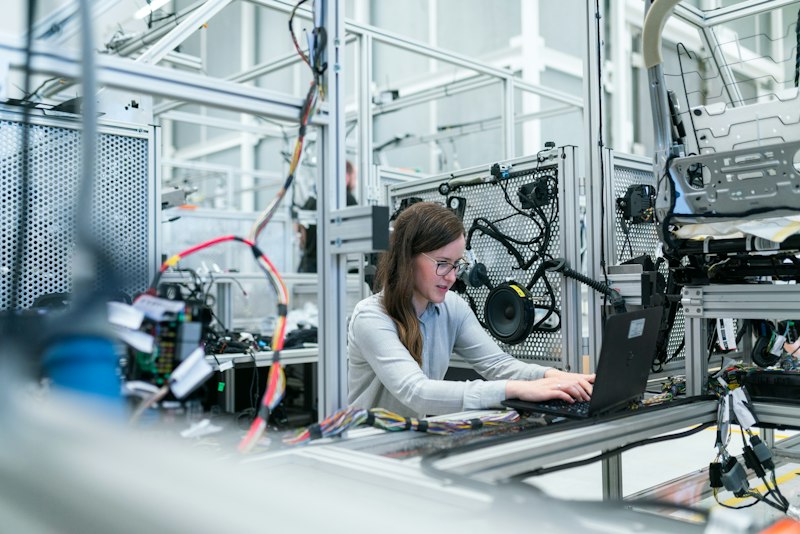 Anti-Aging
Anti-Aging & Anti-Cracking
A specially engineered rubber formula prevents surface hardening, micro-cracking, and ozone degradation — extending the belt's active service life well beyond what standard compounds can sustain, even under prolonged extreme-temperature cycling.
 High Adhesion
High Adhesion Strength
Strong, durable bonding between cover rubber and carcass prevents delamination under thermal stress and mechanical impact. Protecting the belt's structural integrity through its full service life eliminates a leading cause of premature belt failure in high-temperature applications.
 Tensile Strength
Stable Tensile Strength
The reinforced carcass maintains load-bearing capacity and dimensional stability even under prolonged thermal stress — preventing belt stretch, misalignment, and drive-side failure that force costly emergency shutdowns in continuous conveying operations.
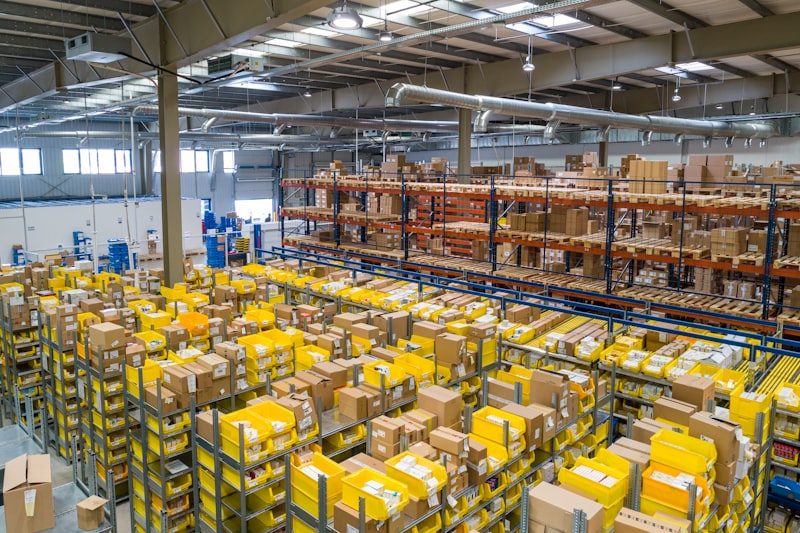 Service Life
Extended Service Life
Significantly outlasts standard conveyor belts in high-temperature applications — reducing replacement frequency, cutting maintenance labor, and minimizing production interruptions. The extended service interval delivers measurable savings over the full system lifecycle.
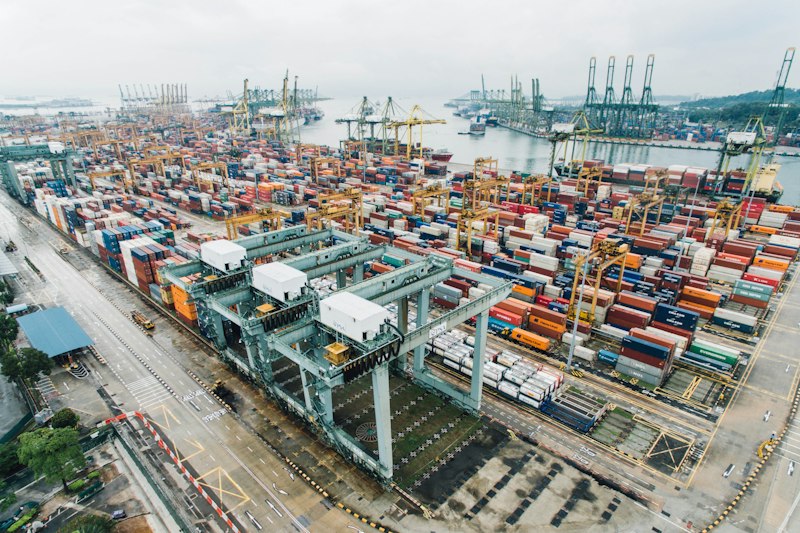 T1 – T4 Grades
Wide Grade & Construction Range
With T1 through T4 temperature grades and both EP fabric and steel cord constructions available, you can precisely match belt specification to application requirement — optimizing both performance and cost efficiency without compromising on thermal protection.
Compared with standard conveyor belts: our heat resistant belts offer significantly longer service life in high-temperature applications. The optimized rubber formulation minimizes hardness variation and maintains mechanical properties even under prolonged thermal exposure — ensuring long-term operational reliability and a measurably lower total cost of ownership across the system lifecycle.
Ready to upgrade your high-temperature conveying system?
Share your operating conditions and material temperature — our engineers will specify the correct heat resistant belt grade and construction for your application.