Special Conveyor Belt · SW / CFW / ARAMID
Straight Warp
Conveyor Belt
For Heavy Impact Applications
Designed for high-impact bulk material handling in mining, ports, power plants and aggregate industries. Built where conventional belts reach their limit.
Request a QuoteProduct Classification
What Is a Straight Warp Conveyor Belt?
Unlike conventional crimp-woven carcasses, Straight Warp belts use synthetic fibers running perfectly straight in the warp direction — delivering dramatically higher unit strength, superior shock absorption, and rip-stop resistance that standard EP or NN belts simply cannot match. Available in three carcass grades to suit every application severity.
Carcass Type · SW
SW Conveyor Belt
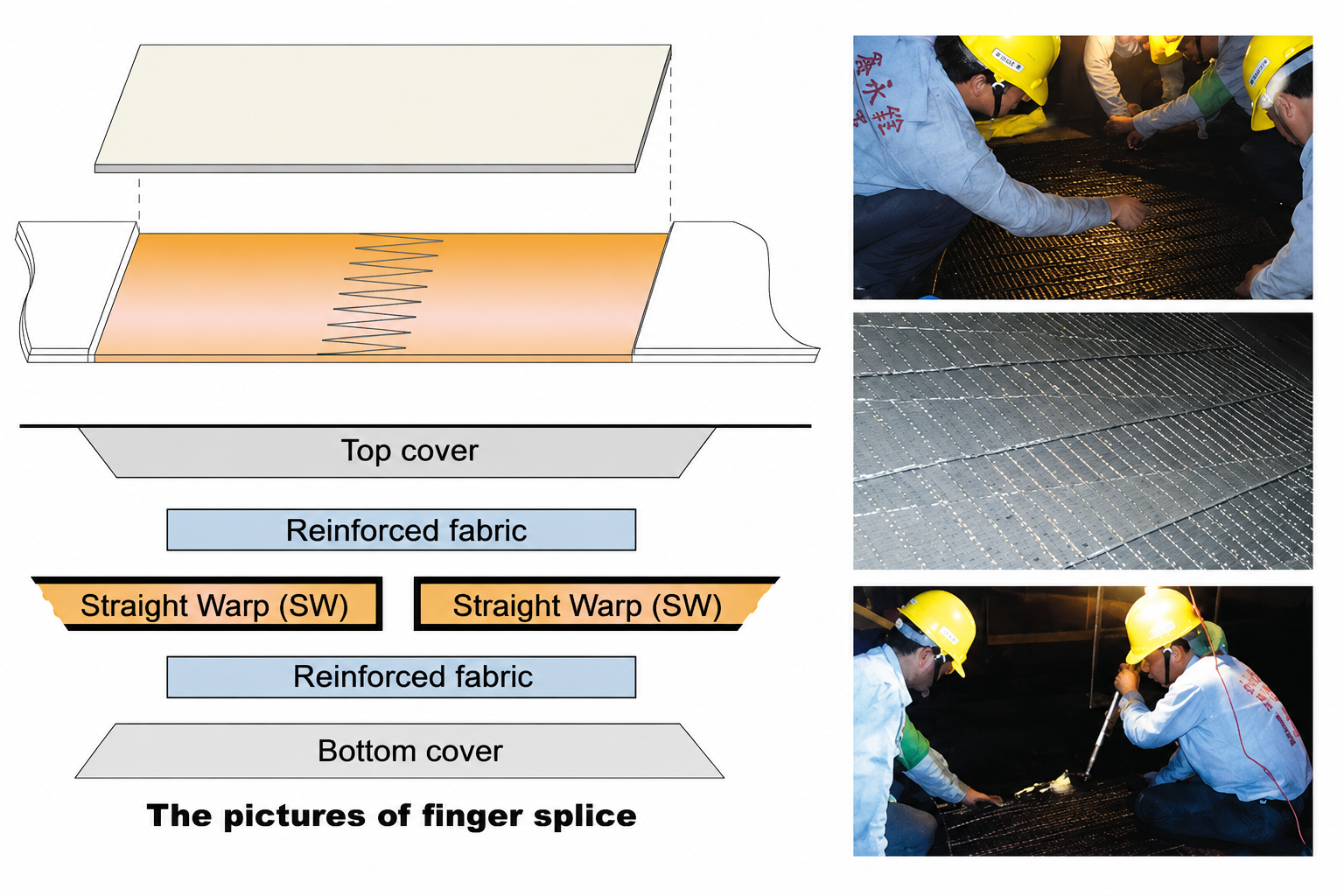
High-tenacity polyester straight warp carcass with weft insertion for lateral stability. The single or dual-ply structure handles extreme drop heights and shock loads in coal mines, open-pit quarries, and bulk terminals — where EP belts fail prematurely under impact fatigue.
Carcass Type · CFW
CFW Conveyor Belt
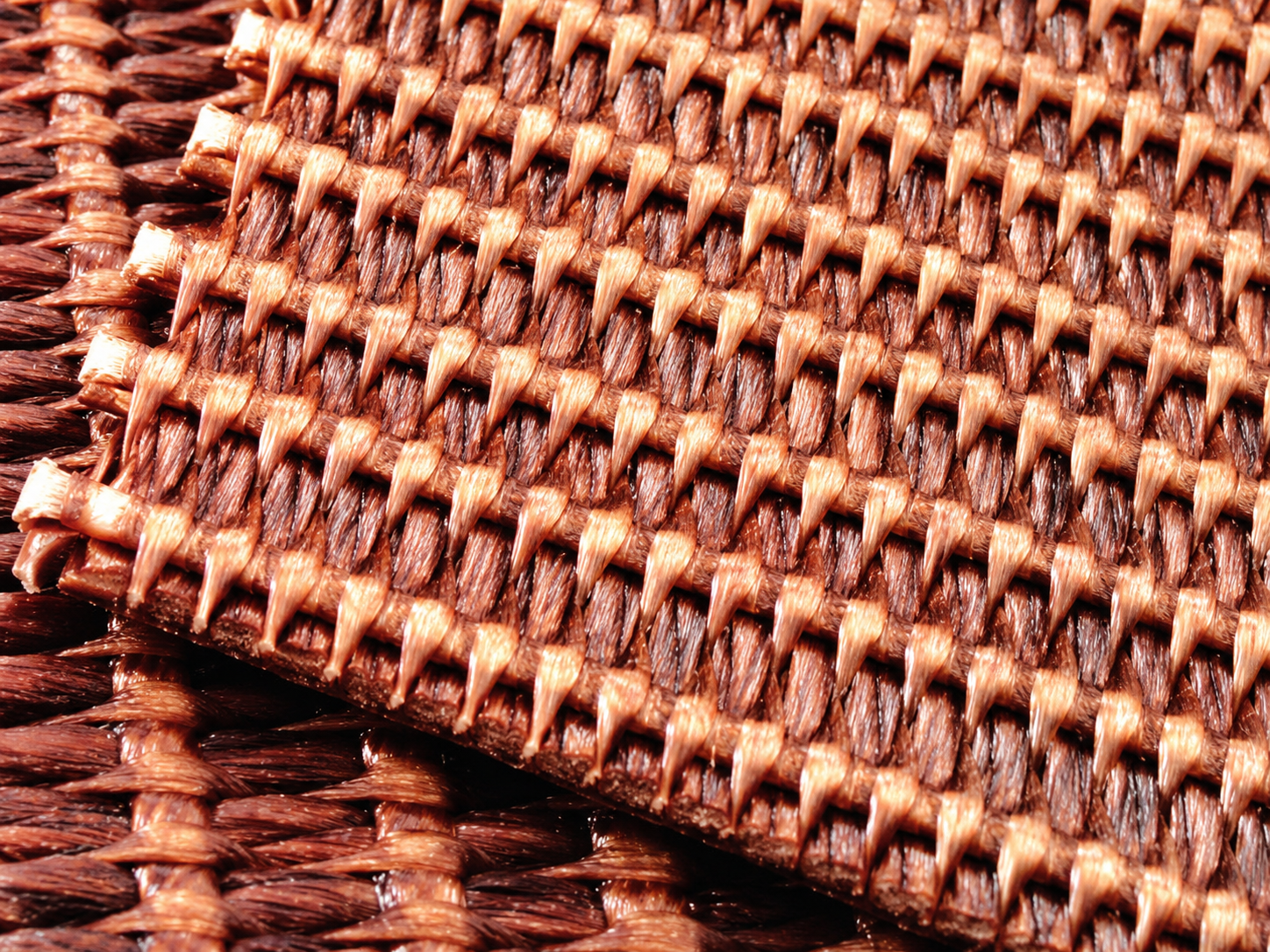
Combines straight warp construction with a cross-fold weft layer for enhanced troughability and lateral rigidity. Ideal for cement plants and steel mills where wide belt widths, consistent trough shape, and resistance to transverse cracking are critical to uptime.

Carcass Type · ARAMID
ARAMID Conveyor Belt
Aramid fiber replaces polyester in the warp direction, achieving tensile strength comparable to steel cord at a fraction of the weight. Enables shorter take-up travel, smaller pulley diameters, and lower structural costs — the premium choice for high-speed, long-haul systems.
Not sure which carcass grade fits your application? Our engineers will recommend the right specification — at no charge.
Get Expert RecommendationTechnical Specifications
Technical Parameter Tables
Full performance data for all three carcass grades — SW, CFW, and ARAMID (DPP). All values are minimum guaranteed figures tested against GB/T and ISO standards before dispatch.
Carcass Type · SW
SW Belt — Strength Grade Specifications
Available in ten strength grades from SW400 to SW2000 N/mm. Low elongation (≤ 1.0% at 10% stretch) ensures minimal take-up travel and stable tracking throughout service life.
| Grade | Tensile Strength (N/mm) | Working Tension Rating (N/mm) | 10% Stretch (%) | Approx. Carcass Thickness (mm) |
|---|---|---|---|---|
| SW 400 | MIN. 400 | 40 | MAX. 1.0 | 2.0 – 2.3 |
| SW 500 | MIN. 500 | 50 | MAX. 1.0 | 2.3 – 2.4 |
| SW 630 | MIN. 630 | 63 | MAX. 1.0 | 2.5 – 2.8 |
| SW 800 | MIN. 800 | 80 | MAX. 1.0 | 2.9 – 3.0 |
| SW 1000 | MIN. 1000 | 100 | MAX. 1.0 | 3.5 – 3.8 |
| SW 1250 | MIN. 1250 | 125 | MAX. 1.0 | 4.0 – 4.1 |
| SW 1400 | MIN. 1400 | 140 | MAX. 1.0 | 4.1 – 4.2 |
| SW 1600 | MIN. 1600 | 160 | MAX. 1.0 | 5.0 – 5.1 |
| SW 1800 | MIN. 1800 | 180 | MAX. 1.0 | 5.3 – 5.4 |
| SW 2000 | MIN. 2000 | 200 | MAX. 1.0 | 5.7 |
Note: Cover thickness and belt width are customizable. Please contact us for specifications not listed above.
Carcass Type · CFW
CFW Fabric — Technical Indexes
CFW (Cross-Fold Weft) fabric delivers straight warp tensile performance combined with enhanced lateral rigidity. Six fabric grades from CFW200 to CFW500, belt widths 800 mm – 2400 mm.
| Fabric Type | Breaking Strength (N/mm) | Elongation at Break (%) | Weight (g/m²) | Thickness (mm) | Width (mm) | Peel Strength (N/mm) | |
|---|---|---|---|---|---|---|---|
| CFW200 | Warp | > 240 | > 15 | 650 | 0.85 | 800 ~ 2400 | ≥ 8 |
| Weft | > 80 | ≤ 45 | |||||
| CFW250 | Warp | > 330 | > 15 | 810 | 1.1 | ≥ 8 | |
| Weft | > 90 | ≤ 45 | |||||
| CFW300 | Warp | > 350 | > 15 | 890 | 1.25 | ≥ 8 | |
| Weft | > 100 | ≤ 45 | |||||
| CFW350 | Warp | > 400 | > 15 | 1050 | 1.30 | ≥ 8 | |
| Weft | > 105 | ≤ 45 | |||||
| CFW400 | Warp | > 460 | > 15 | 1080 | 1.40 | ≥ 8 | |
| Weft | > 110 | ≤ 45 | |||||
| CFW500 | Warp | > 570 | > 15 | 1350 | 1.55 | ≥ 8 | |
| Weft | > 120 | ≤ 45 | |||||
Note: Please contact us for belt widths and configurations outside the ranges listed above.
Carcass Type · ARAMID
ARAMID Belt (DPP) — Belt Marking & Standard Specifications
ARAMID Straight Warp belts use the DPP designation. The marking protocol defines all key parameters encoded in the belt specification string — ensuring the correct product is ordered and verified upon delivery.
Belt Marking Protocol
Grade
(kN/m)
(mm)
of Plies
Thickness (mm)
Thickness (mm)
Length (m)
| Specifications | Cover Rubber Thickness (mm) | Minimum Pulley Diameter (mm) | |||
|---|---|---|---|---|---|
| Top Cover | Bottom Cover | Drive Head | Take-up Tail | Snub Bend | |
| DPP800 | 6 | 2 | 600 | 450 | 350 |
| DPP1000 | 6 | 2 | 600 | 450 | 350 |
| DPP1250 | 6 | 2 | 650 | 500 | 400 |
| DPP1500 | 8 | 3 | 700 | 550 | 450 |
| DPP1800 | 8 | 3 | 750 | 550 | 500 |
| DPP2000 | 8 | 3 | 750 | 550 | 500 |
Note: Please contact us for any specifications not included in the above table.
Need a full datasheet, third-party test report, or material certificate for any grade? We'll send it immediately upon request.
Download Full DatasheetCore Advantages
Why Choose Straight Warp Belt?
Every conveyor system has unique demands — but when the challenge is high-drop loading, sharp-edged material, or punishing 24/7 duty cycles, Straight Warp construction delivers measurable performance advantages that no standard fabric belt can replicate.
High-Drop Loading Points
Excellent Impact Resistance
The unique straight warp structure distributes shock energy across the full belt width rather than concentrating it at a single point. The result: the carcass survives impact loads that destroy conventional EP or NN belts within months — protecting your conveyor system investment.
Prevent Longitudinal Rip
Outstanding Tear Resistance
The interlocked warp fibers create a rip-stop barrier that halts longitudinal tears before they propagate. A rip that would write off a standard belt is contained — protecting your production schedule and eliminating costly emergency replacements mid-campaign.
Stable Trough Formation
High Troughability
The engineered weft ensures the belt conforms reliably to idler sets across the full width, maintaining consistent trough shape even on wide belts at high speeds. Better containment means less spillage, lower cleanup costs, and improved conveyor efficiency.
Reduce Tracking Problems
Lower Elongation
With elongation less than half that of standard fabric belts, Straight Warp belts run straighter with minimal take-up adjustment over their service life — reducing downtime, maintenance labor, and the risk of mis-tracking damage to conveyor structure and idlers.
Cut Total Cost of Ownership
Longer Service Life
Impact absorption, tear resistance, and low elongation compound to extend operational life well beyond standard belts. Mining and port customers consistently report 30–50% longer service intervals — making the initial investment return fast and total ownership cost substantially lower.
Mines · Ports · Steel Mills
Suitable for Harsh Conditions
From underground coal mines to open-pit iron ore operations to high-throughput container port terminals — Straight Warp belts are engineered to perform where abrasive materials, extreme loads, and 24/7 operations leave absolutely no margin for belt failure.
Share your material type, drop height, and belt width — we'll confirm the right grade within 24 hours.
Get Free Belt Selection SupportFactory Capability
Production & Quality Control
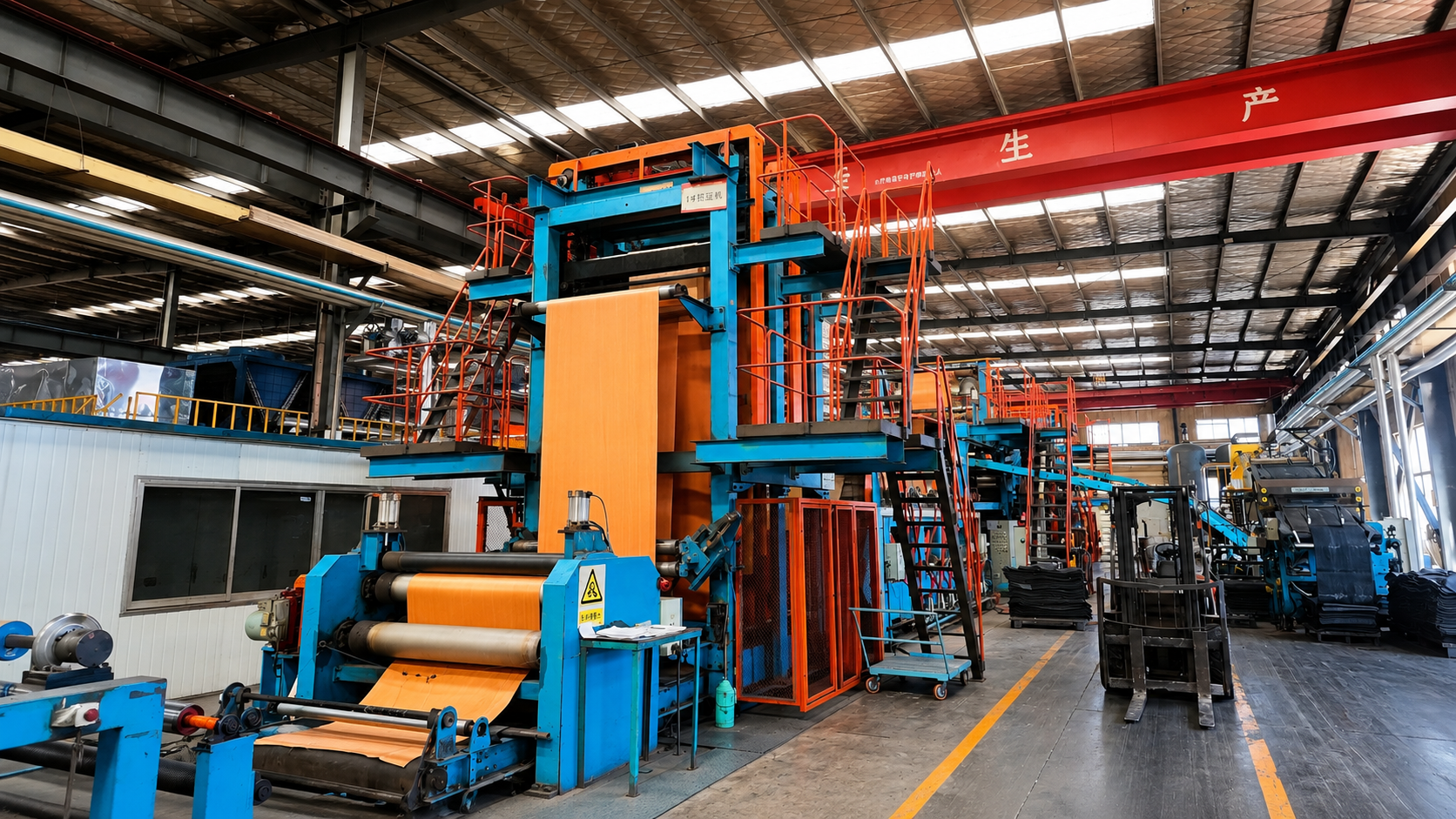
From raw material sourcing to final roll dispatch, every step in the JOYTRANS production process is governed by documented procedures and independent verification — because a belt failure at your site is simply unacceptable to us.
Raw Materials
- High-Tenacity Polyester (SW Carcass)
- Aramid Fiber (ARAMID Grade)
- Natural & Synthetic Rubber Compound
- Anti-Tear Reinforcement Layer
- RFL-Treated Chemical Bonding Agents
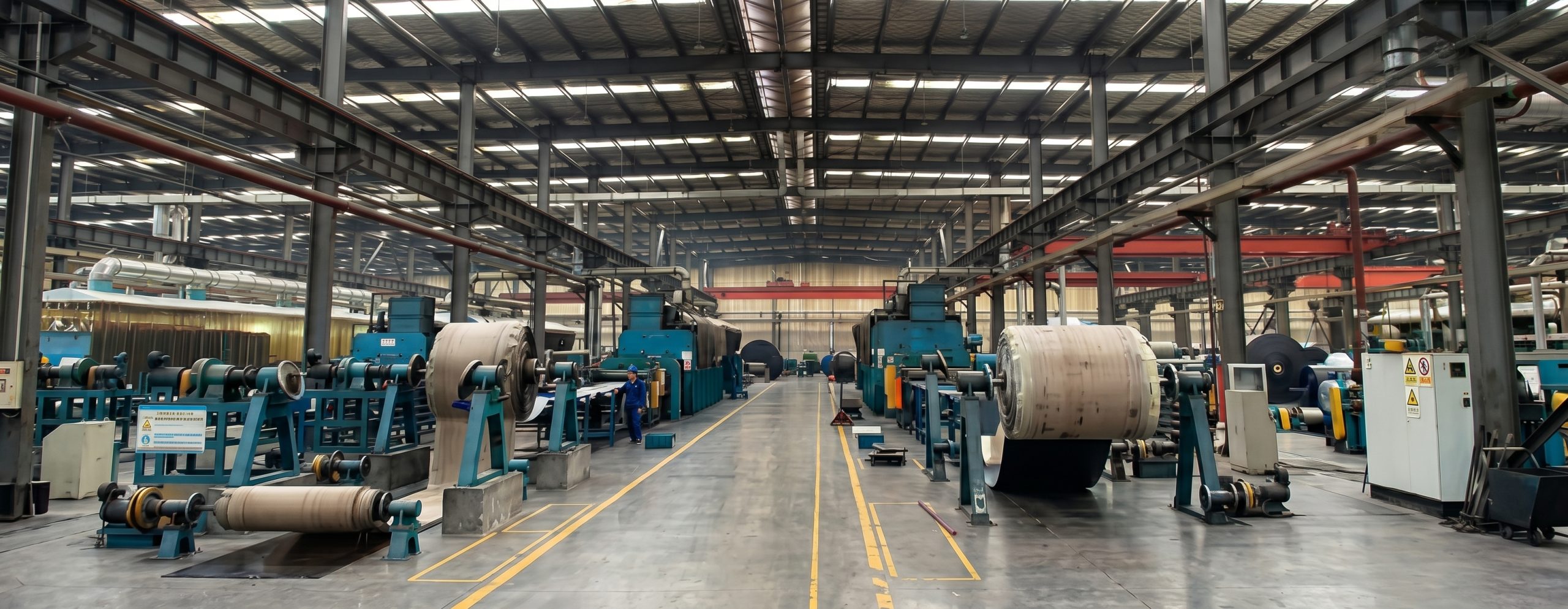
Production Equipment
- 4-Roll Calender Line
- Flat-Bed Vulcanizing Press
- Continuous Drum Vulcanizer
- Fabric Dipping & Drying Line
- In-Line Width & Thickness Control
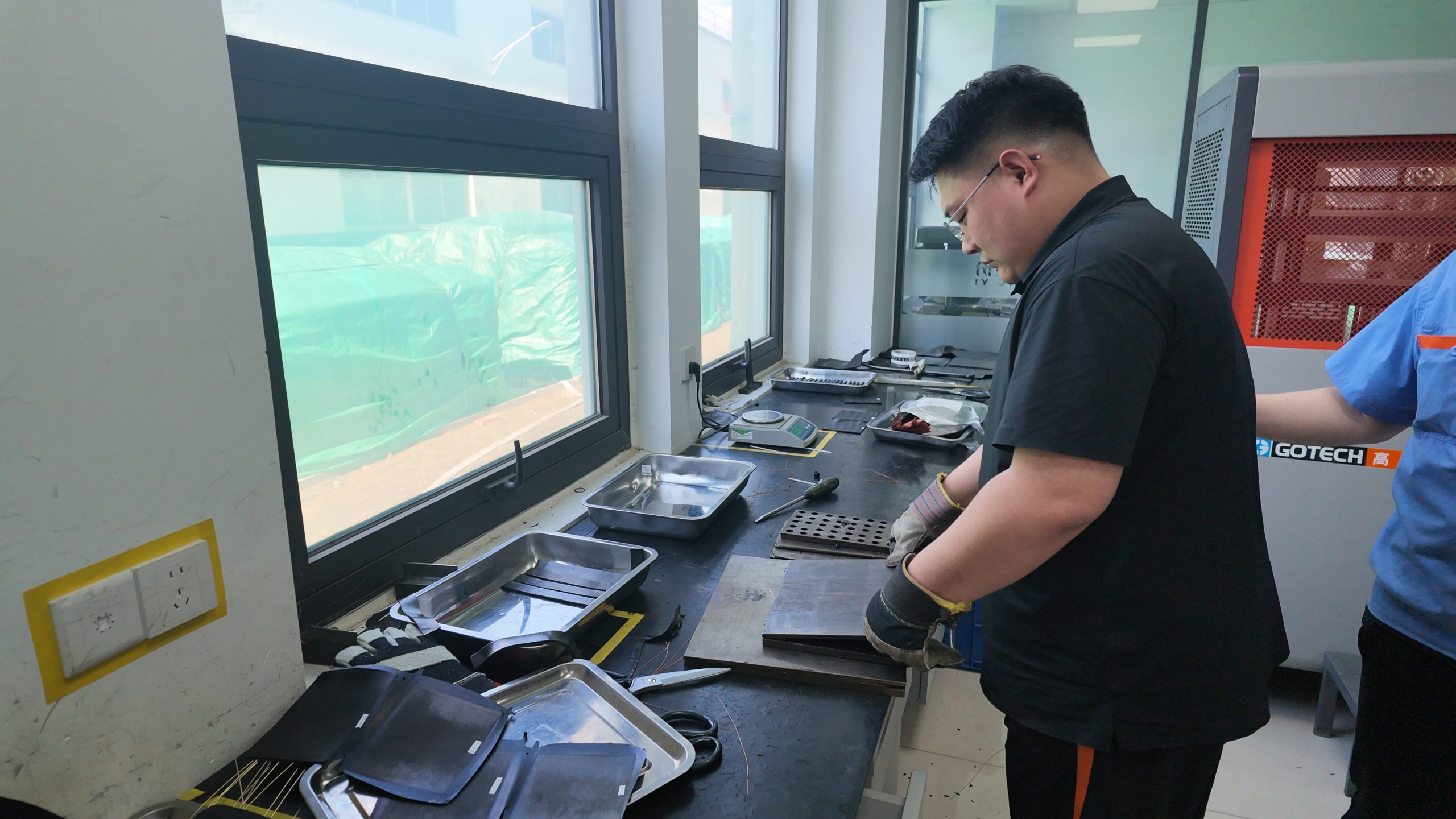
Testing Lab
- Adhesion Test (Fabric-to-Cover)
- Tensile Strength Test
- Elongation at Break
- Abrasion Resistance (DIN 53516)
- Aging Test (70°C × 168h)
- Tear Propagation Resistance
QC Standard
Quality Commitment
Every Roll Traceable
Each production roll carries a unique batch ID linked to raw material certificates, vulcanization logs, and full QC test reports. From rubber compound formulation to your conveyor frame — complete traceability so you always know exactly what is running in your plant and who certified it.
We welcome factory audits and third-party inspections. Request our production capability report today.
Request Factory Audit ReportFrequently Asked Questions
Questions Buyers Ask Before Ordering
We have compiled the most common technical and commercial questions from procurement engineers and plant managers worldwide. If your question is not covered here, contact us directly — our engineers respond within 24 hours.
EP (polyester/nylon) belts use a crimp-woven carcass where the fibers interlace in a wave pattern. This crimp reduces the effective tensile strength and, under impact, the weave structure can allow the carcass layers to delaminate.
Straight Warp belts run load-bearing fibers perfectly straight in the warp direction with separate weft insertion — eliminating the crimp entirely. The result is significantly higher unit strength per ply, dramatically better impact absorption, and a rip-stop structure that prevents longitudinal tears from propagating. For heavy-duty applications involving high drop heights or sharp materials, Straight Warp belts typically outlast EP belts by 30–50% or more.
Yes — it is one of the primary applications. The straight warp carcass provides superior resistance to cut-through and puncture from sharp-edged materials such as crushed rock, iron ore, slag, and demolition debris. Combined with a thick H-grade cover compound (tensile strength ≥ 24 MPa, abrasion ≤ 120 mm³), the belt handles abrasive materials that would rapidly wear through standard fabric belts.
For extremely sharp materials like freshly blasted ore or recycled steel scrap, we recommend specifying SW800 grade or higher with a minimum 8 mm top cover — our engineers can advise on the optimal specification for your specific material characteristics.
Yes. JOYTRANS supplies fire-resistant Straight Warp belts using FR-grade rubber compounds that meet the requirements of GB/T 10822 (underground coal mine standard) and can be produced to meet ISO 340 flame retardancy where required by project specifications.
Fire-resistant grades are particularly common in underground coal mining and tunnel construction applications. Please specify your required standard when enquiring and we will confirm compound availability and lead time.
Our Straight Warp belts are manufactured and tested to Chinese national standard GB/T 9770, which aligns closely with ISO 22721. Physical and mechanical test procedures follow GB/T 528 (tensile/elongation), GB/T 529 (tear), DIN 53516 (abrasion), and GB/T 3512 (aging).
JOYTRANS holds ISO 9001, ISO 14001, and OHSAS 18001 certifications. Test reports from our in-house laboratory are included with every order. Third-party certification (SGS, Bureau Veritas, etc.) can be arranged upon request.
Fully customizable. Belt width is available from 300 mm up to 3,200 mm. Top and bottom cover thickness can be specified independently (e.g. 8+3, 10+4, 12+6 mm) based on your loading and return-side wear conditions. Roll length is determined by your take-up system and drum capacity.
We also accommodate custom carcass grades, special rubber compounds (heat-resistant, oil-resistant, cold-resistant), and specific ply-count configurations. Share your conveyor drawing or design parameters and we will produce a dimensioned specification sheet for approval before production begins.
Standard grades (SW500–SW1000) in common widths are typically 15–25 working days from order confirmation and deposit receipt. Non-standard grades, very wide belts (over 2,000 mm), or special compound combinations may require 30–40 working days.
We maintain strategic raw material stock to support urgent orders. If you are facing a breakdown situation, contact us directly — we will assess what can be expedited from current production schedules and give you an honest timeline within 4 hours.
Belt strength is selected based on the effective tension in your conveyor system, which depends on conveyor length, lift height, belt width, material density, and speed. As a starting point: required belt strength (N/mm) = maximum effective tension (N) ÷ belt width (mm) × safety factor (typically 6.7–10 for fabric belts).
If you share your conveyor parameters — tonnage, lift, length, belt speed, and material bulk density — our engineering team will calculate the recommended grade at no charge and confirm within 24 hours. This is included with every enquiry, with no obligation to order.
Free Engineering Support
Send Your Conveyor Details
for Free Selection Support
Share your conveyor length, lift, speed, material, and belt width — our engineers will recommend the optimal grade, cover specification, and estimated service life within 24 hours. No obligation. No sales pitch. Just accurate, practical belt engineering.
Ready to specify? Request a formal quotation with datasheet and delivery schedule.
Request a Formal Quote