Fully Enclosed
Pipe Conveyor
Belt System
Zero Spillage. Dust-Free Conveying. Long Distance Curved Transportation.
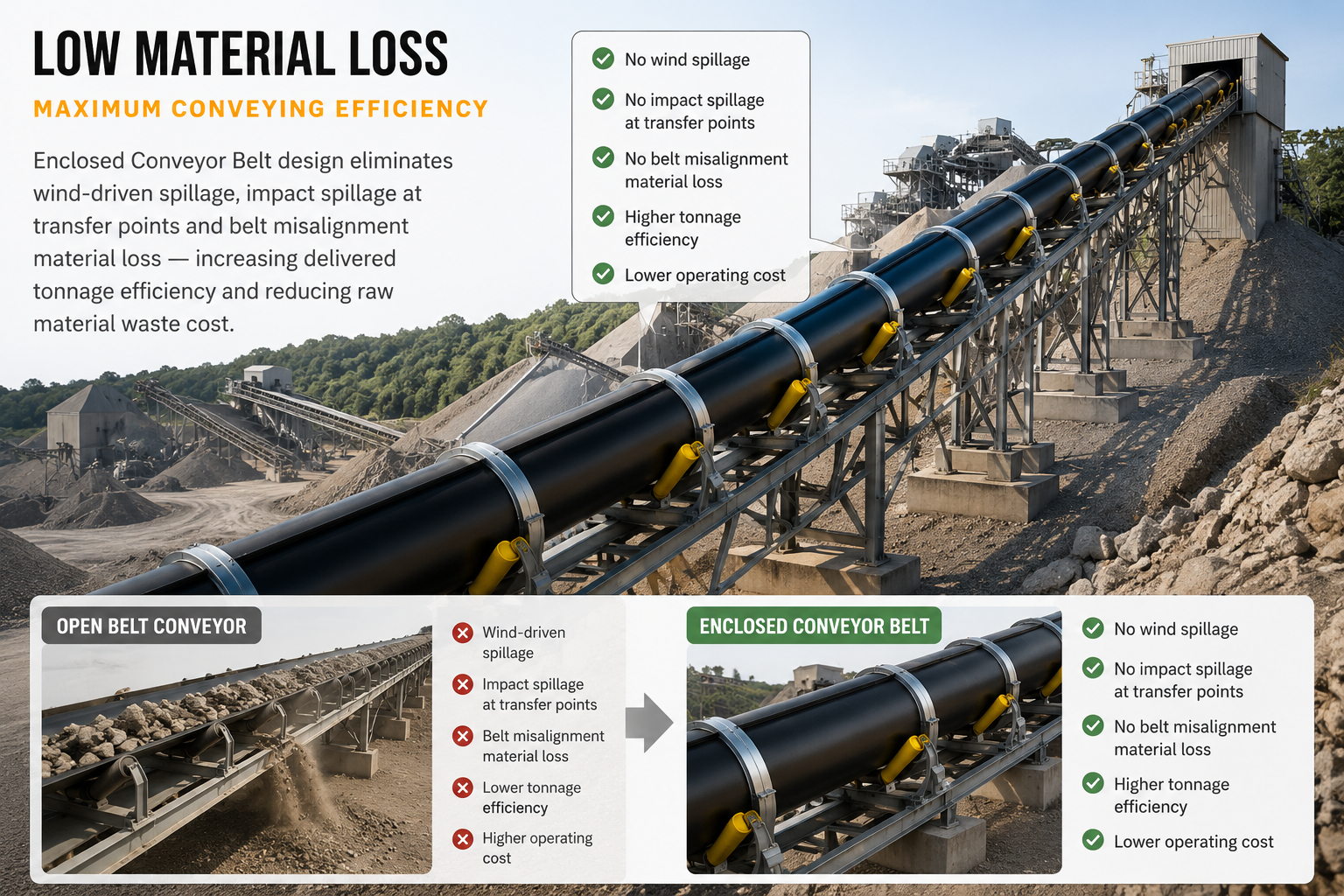
Designed for coal, power plant, cement, port and environmentally sensitive bulk material handling. Pipe Conveyor Belt eliminates dust pollution, material loss and multi-station transfer — in one enclosed, continuous solution.
Why Traditional Conveyor Systems Fail in Modern Bulk Material Handling
Pipe Conveyor Belt provides fully enclosed, dust-free and curve-capable conveying solutions — solving the fundamental limitations of open-belt conveying in a single enclosed system.
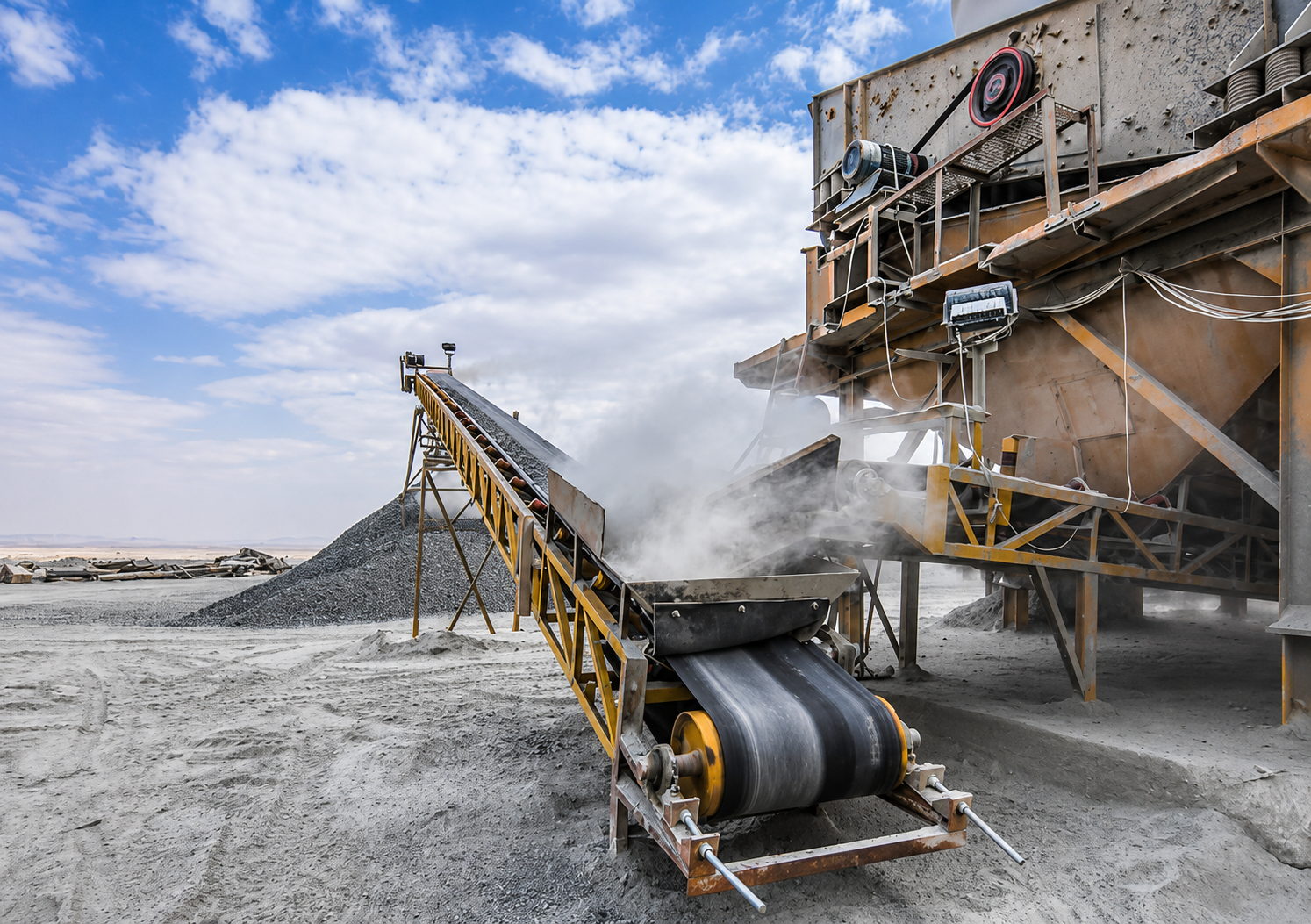
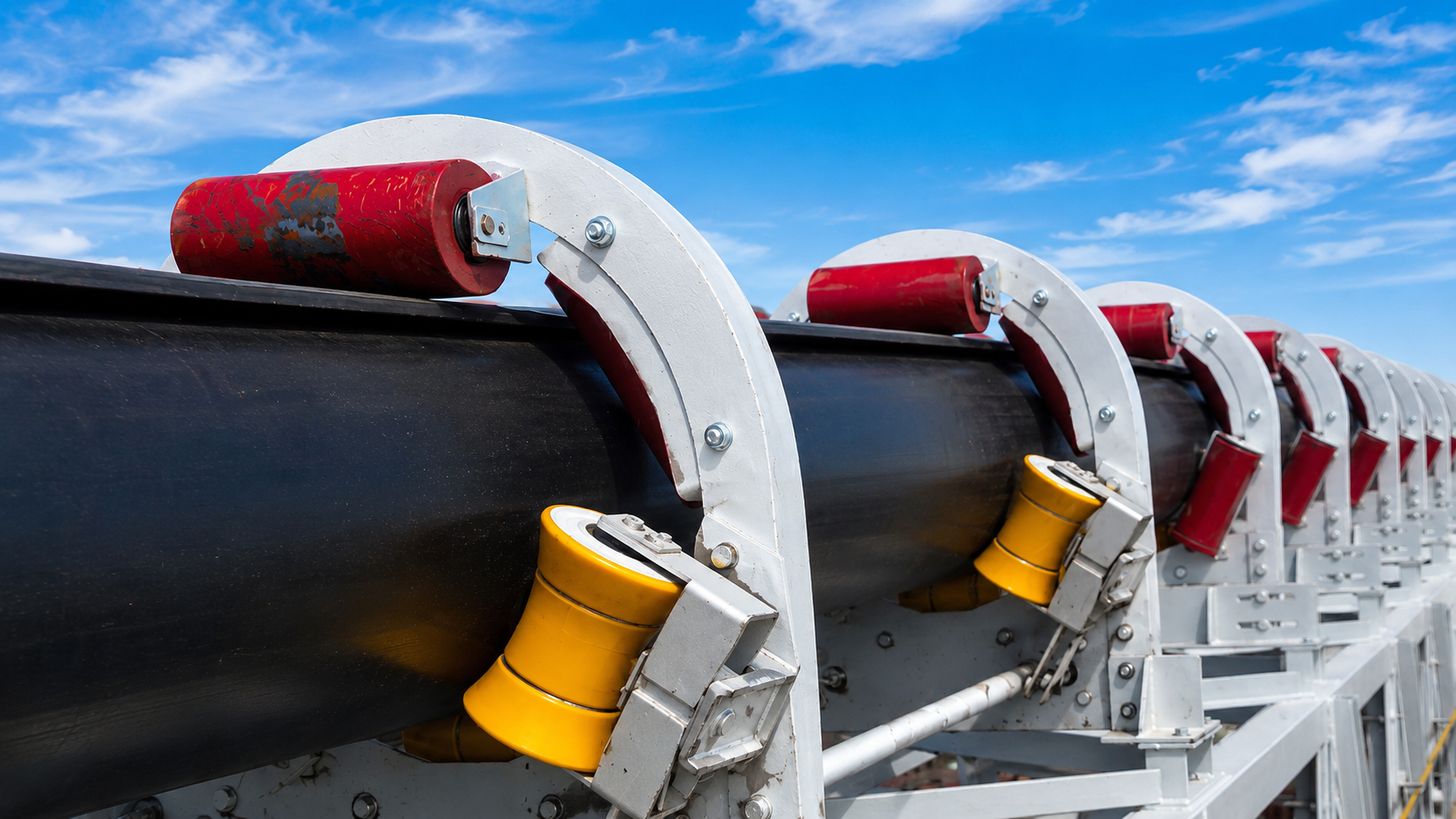
Traditional Conveyor VS Pipe Conveyor Belt
| Traditional Conveyor Belt | Pipe Conveyor Belt |
|---|---|
| Open conveying — materials exposed | Fully enclosed conveying |
| Dust pollution at every transfer point | Dust-free transportation throughout |
| Material spillage and product loss | Zero leakage from loading to discharge |
| Multiple transfer stations required | Long-distance curve conveying, fewer stations |
| High ongoing maintenance costs | Lower maintenance cost over lifecycle |
| Environmental risk and compliance issues | Eco-friendly, regulation-compliant system |
Send us your conveying material, distance and capacity requirements.
Our engineers will recommend the suitable Pipe Conveyor Belt solution for your project.
Pipe Conveyor Belt — Complete Product & Technical Overview
From carcass structure and belt type selection to full specification tables — everything your engineering and procurement team needs to evaluate and specify the right Pipe Conveyor Belt.
Pipe Conveyor Belt
- Superior anti-fatigue performance for repeated pipe-forming bending cycles
- EP carcass: excellent moisture resistance and low elongation under tension
- Stable tubular cross-section shape under varying load conditions
- Ideal for short to medium distance: cement plants, ports, power stations
- Turning radius: horizontal R ≥ r × 300 / vertical R ≥ r × 300
Pipe Conveyor Belt
- Exceptional tensile strength for long-distance, high-tonnage conveying routes
- Superior anti-bending fatigue — maintains pipe shape stability under high-cycle loading
- Low elongation rate ensures stable tension control across extended routes
- Ideal for large mining systems, long-distance overland pipe conveyor projects
- Turning radius: horizontal R ≥ r × 600 / vertical R ≥ r × 600
Belt Construction Overview
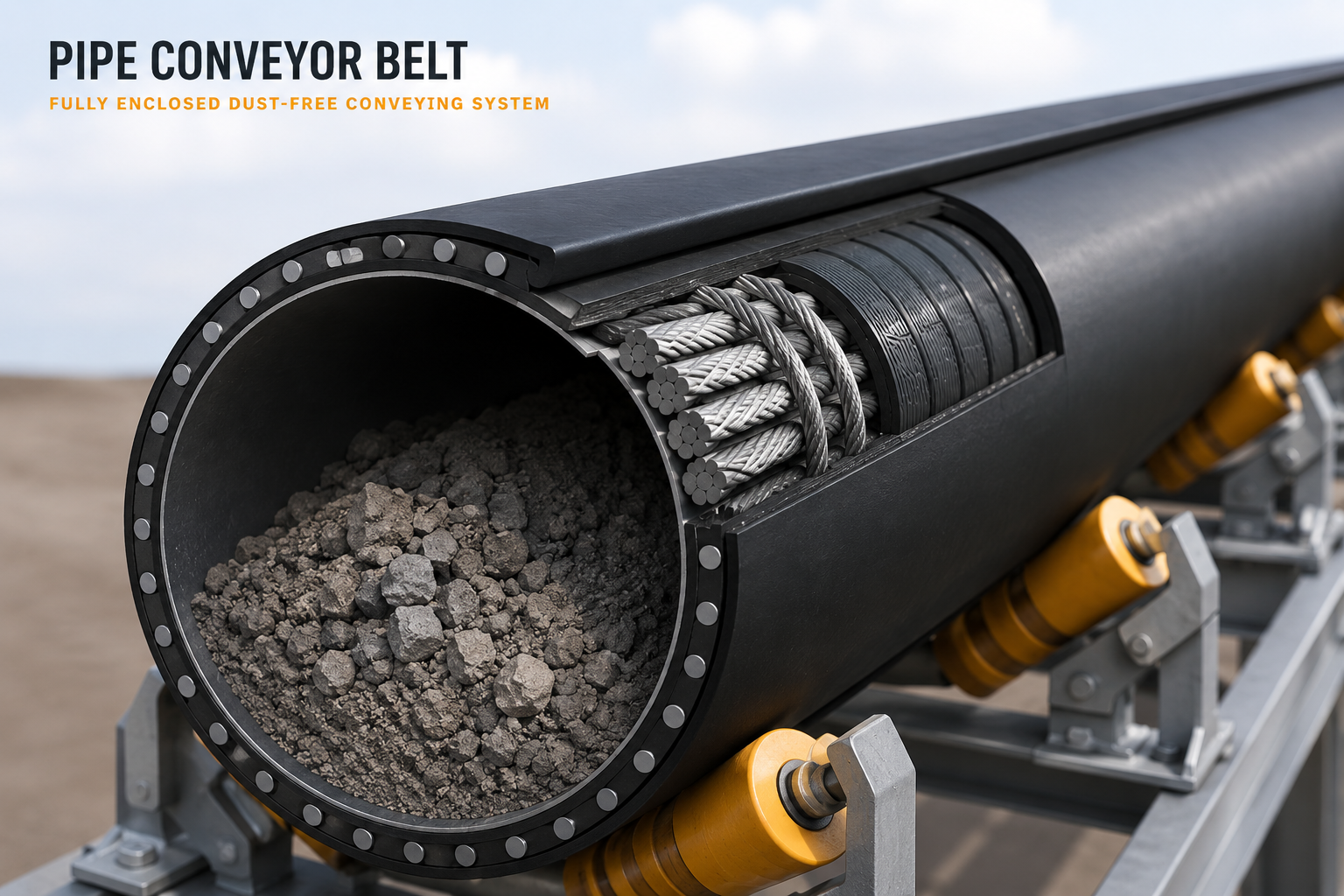
Pipe Conveyor Belt core body is composed of high-strength textile canvas or steel wire rope embedded in high-quality rubber compound. The belt gradually transitions from flat to a circular pipe profile, returning flat at the tail for material discharge.
Superior anti-fatigue performance, bending resistance and stable tubular cross-section formation are the core technical requirements that distinguish a high-quality pipe belt from a conventional flat belt, and define its long service life in demanding bulk material handling environments.

| Belt Type | ST 630 | ST 800 | ST 1000 | ST 1250 | ST 1600 | ST 2000 | ST 2500 | ST 3150 | ST 3500 | ST 4000 | ST 4500 | ST 5000 | ST 5400 |
|---|---|---|---|---|---|---|---|---|---|---|---|---|---|
| Steel Wire Diameter (mm) | 3.0 | 3.5 | 4.0 | 4.5 | 5.0 | 6.0 | 7.2 | 8.1 | 8.6 | 9.1 | 9.7 | 10.9 | 11.3 |
| Top Rubber Thickness (mm) | 5 | 5 | 6 | 6 | 6 | 8 | 8 | 8 | 8 | 8 | 8 | 8.5 | 9 |
| Bottom Rubber Thickness (mm) | 5 | 5 | 6 | 6 | 6 | 6 | 6 | 8 | 8 | 8 | 8 | 8.5 | 9 |
| Belt Width (mm) — Transition Distance by Belt Type | |||||||||||||
| Width 780 | 73 | 73 | 61 | 61 | 61 | 61 | 49 | 49 | — | — | — | — | — |
| Width 1000 | 95 | 95 | 79 | 79 | 79 | 79 | 64 | 64 | 59 | 55 | 55 | — | — |
| Width 1100 | 105 | 105 | 87 | 87 | 87 | 87 | 71 | 71 | 71 | 71 | 65 | 61 | 61 |
| Width 1300 | 124 | 124 | 103 | 103 | 103 | 103 | 83 | 83 | 83 | 83 | 77 | 71 | 71 |
| Width 1530 | 145 | 145 | 121 | 121 | 121 | 121 | 98 | 98 | 98 | 98 | 90 | 84 | 84 |
| Width 1900 | — | — | 151 | 151 | 151 | 151 | 122 | 122 | 122 | 122 | 115 | 106 | 106 |
| Width 2250 | — | — | — | — | — | 180 | 144 | 144 | 144 | 144 | 137 | 127 | 127 |
| Width 2650 | — | — | — | — | — | 213 | 172 | 172 | 172 | 172 | 162 | 151 | 151 |
Turning Radius (Steel Cord): Horizontal R ≥ r × 600 | Vertical R ≥ r × 600 | Transition Length: ≥ r × 50
— indicates combination not applicable. All data subject to engineering confirmation for project-specific conditions.
| Specification | 400 N/mm | 500 N/mm | 630 N/mm | 800 N/mm | 1000 N/mm | 1250 N/mm | 1600 N/mm | 2000 N/mm |
|---|---|---|---|---|---|---|---|---|
| Pipe Diameter (mm) | 150 | 200 | 250 | 300 | 350 | 400 | 500 | 600 |
| Band Width — Standard (mm) | 650 | 750 | 1000 | 1100 | 1300 | 1600 | 1800 | 2200 |
| Band Width — Optional (mm) | — | — | 950 | 1150 | — | 1650 | — | — |
Turning Radius (Fabric Core): Horizontal R ≥ r × 300 | Vertical R ≥ r × 300 | Transition Length: ≥ r × 25
| Nominal Tube Diameter (mm) | Indicative Belt Width (mm) | Standard Idler Spacing (m) | Min Transition Distance (m) | Min Curve Radius (m) | Max Lump Size (mm) | Max Speed (m/s) | Volumetric Capacity (m³/h) |
|---|---|---|---|---|---|---|---|
| 100 | 450 | 1.10 | 2.5 | 30 | 33 | 2.2 | 21.2 |
| 150 | 600 | 1.10 | 4.0 | 45 | 45 | 2.2 | 46.9 |
| 200 | 800 | 1.30 | 5.0 | 60 | 60 | 2.5 | 84.7 |
| 250 | 1000 | 1.45 | 6.5 | 75 | 75 | 2.5 | 132.4 |
| 300 | 1200 | 1.60 | 7.5 | 90 | 95 | 3.0 | 190.7 |
| 350 | 1400 | 2.00 | 9.5 | 105 | 110 | 3.5 | 256.2 |
| 400 | 1600 | 2.20 | 10.0 | 120 | 125 | 4.0 | 339.1 |
| 450 | 1800 | 2.30 | 11.0 | 135 | 140 | 4.5 | 429.2 |
| 500 | 1900 | 2.40 | 12.5 | 150 | 160 | 5.0 | 530.0 |
| 550 | 2100 | 2.50 | 13.5 | 160 | 180 | 5.5 | 641.2 |
* The above table is valid only for textile carcass rubber conveyor belts. | All values are indicative. Final engineering parameters to be confirmed based on actual project conditions, material density, and system configuration.
Share your conveying distance, capacity, material type and routing conditions — our engineering team will provide full technical documentation and a tailored recommendation.
Six Engineering Capabilities That Set Pipe Conveyor Belt Apart
Every advantage is designed to reduce total system cost, increase operational reliability and meet the environmental standards that modern bulk material handling projects demand.
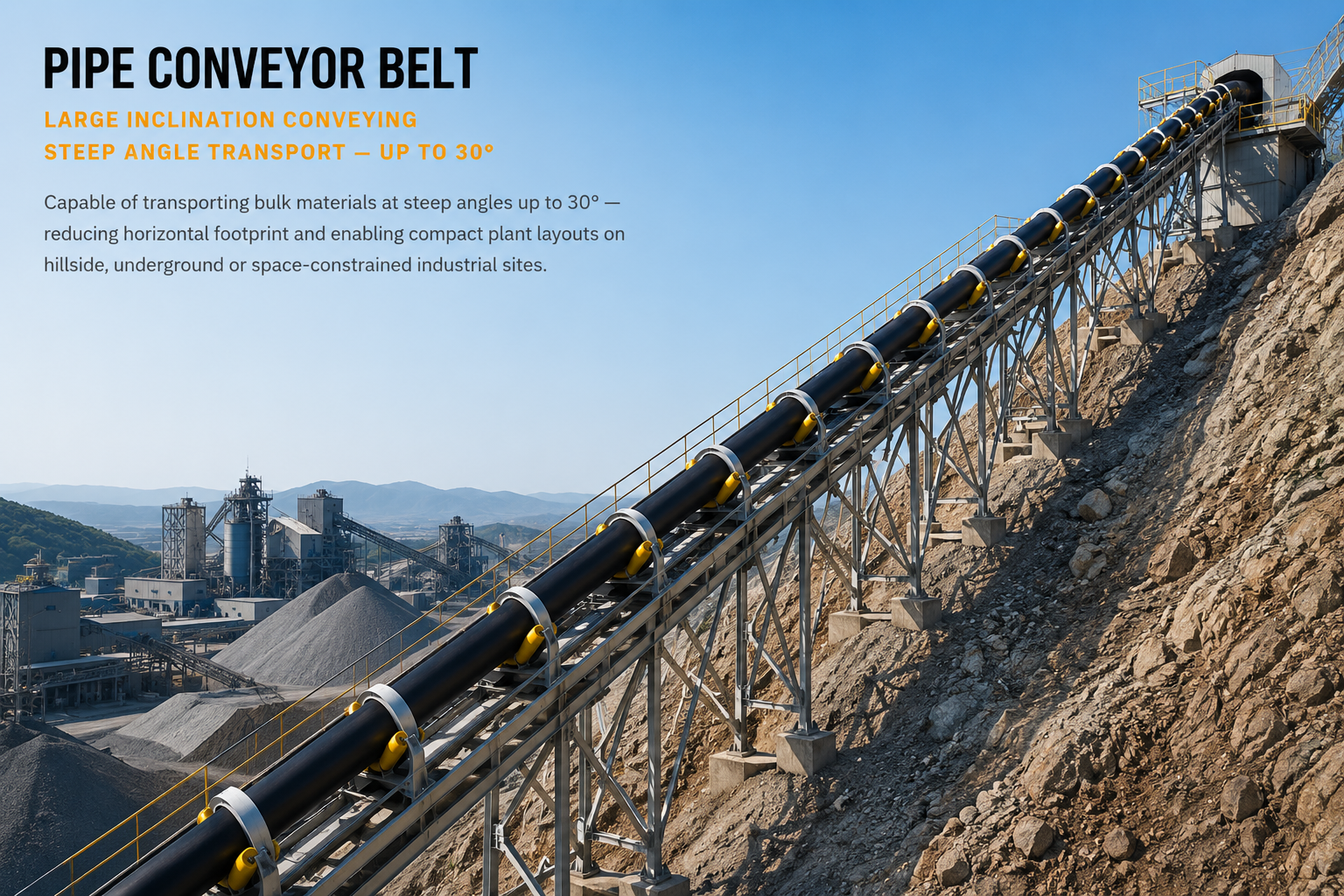
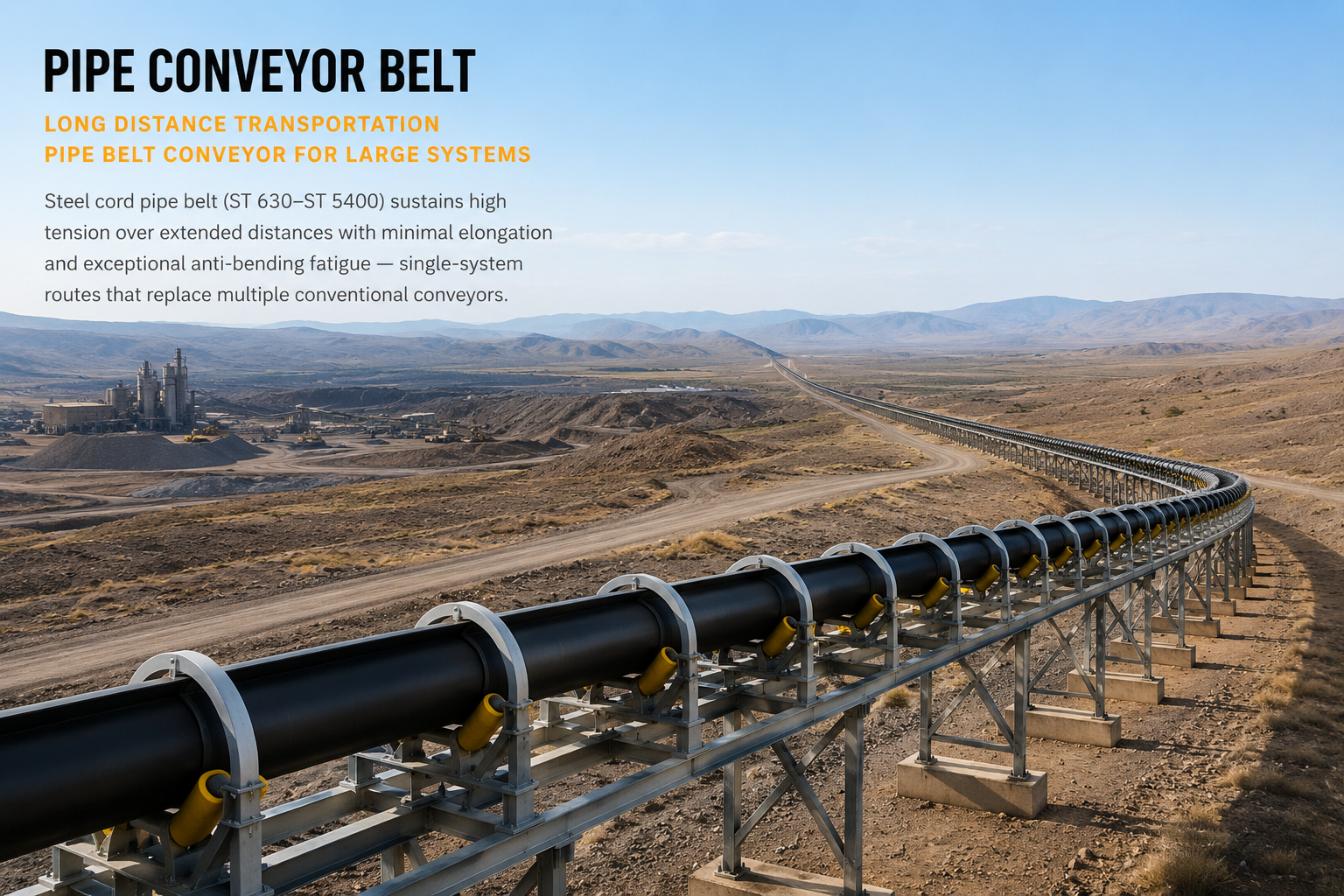
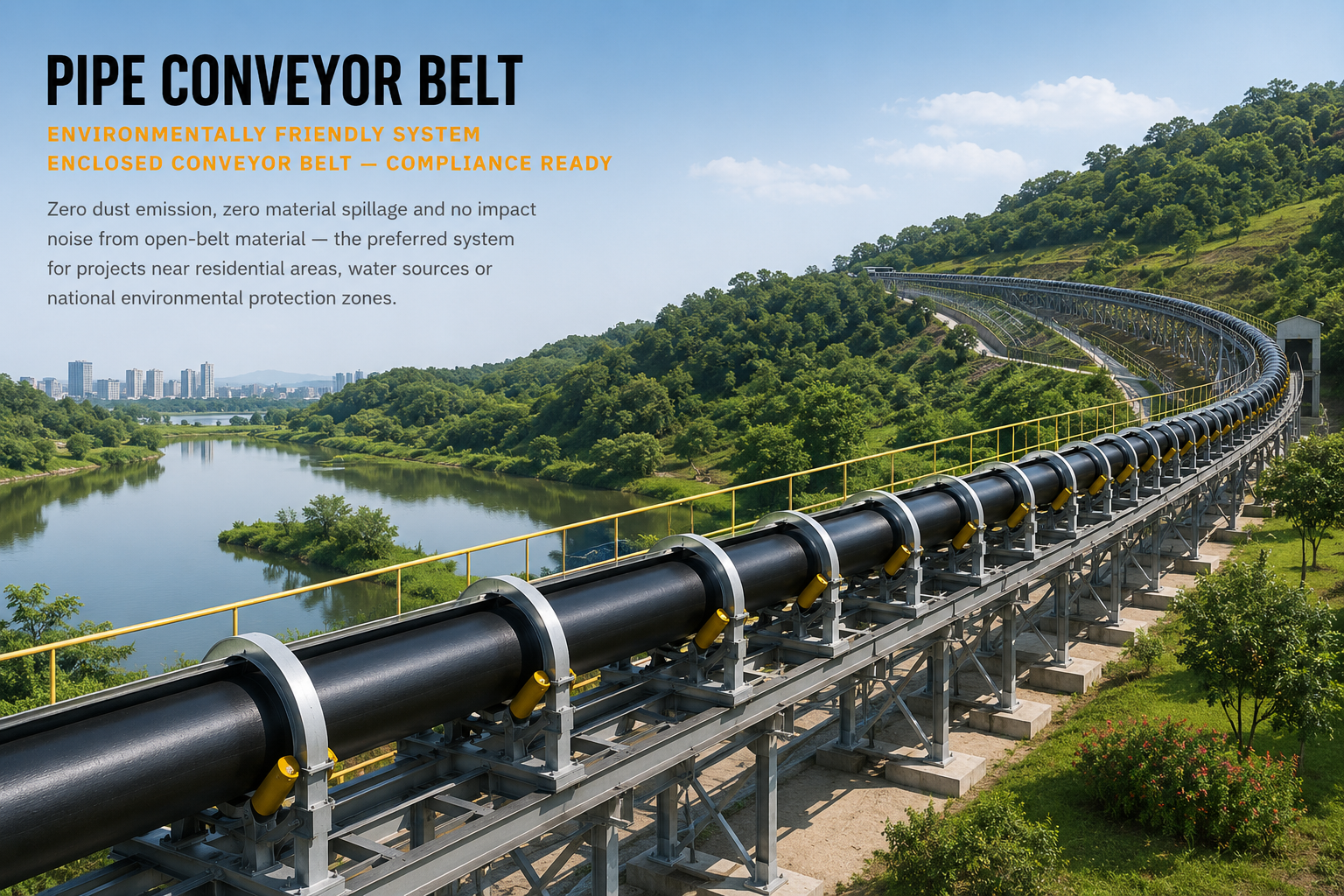
Our engineering team can review your conveying requirements — including distance, capacity, material, terrain and inclination — and provide a detailed technical proposal with system configuration recommendations.
Why Engineers & Procurement Teams Choose Our Pipe Conveyor Belt
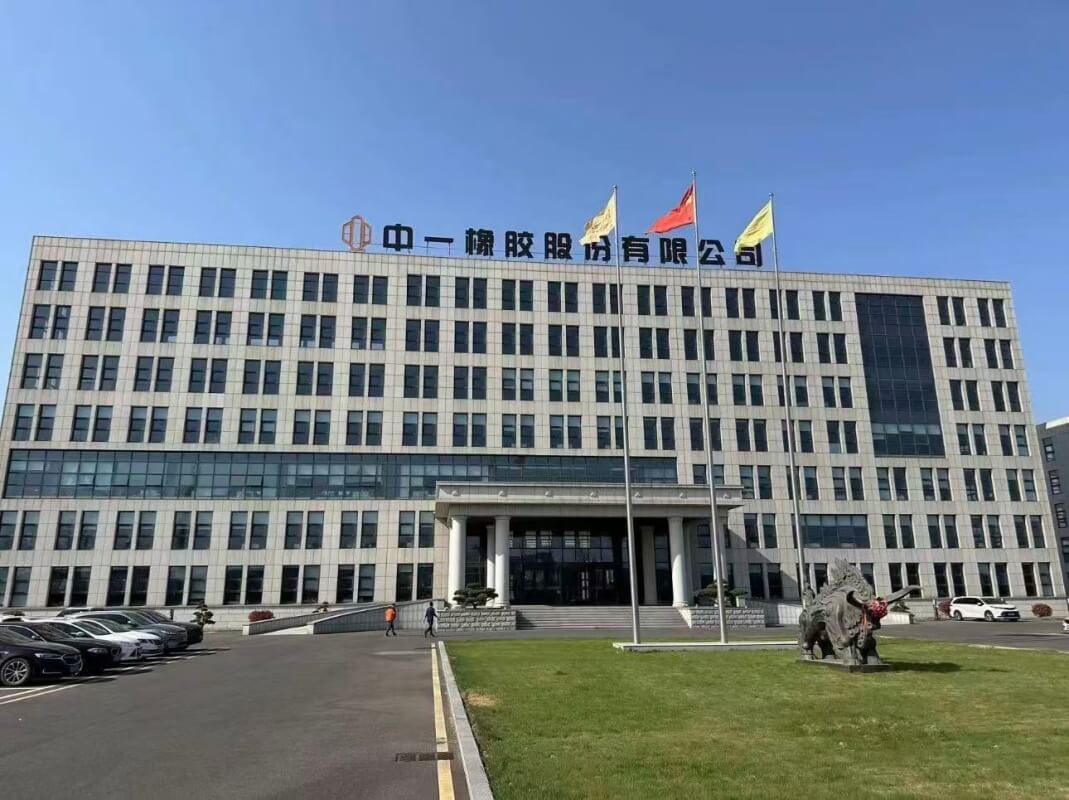
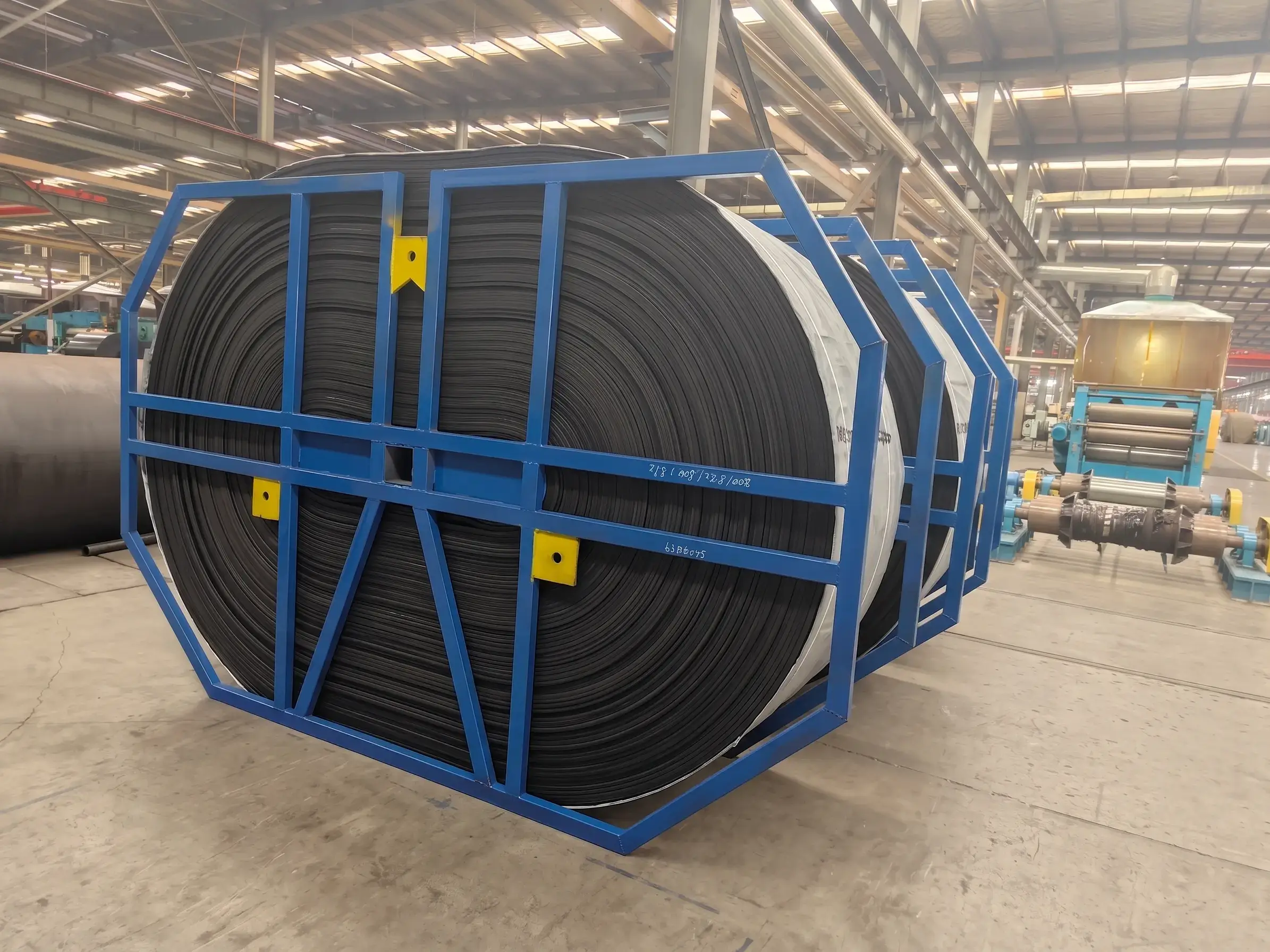
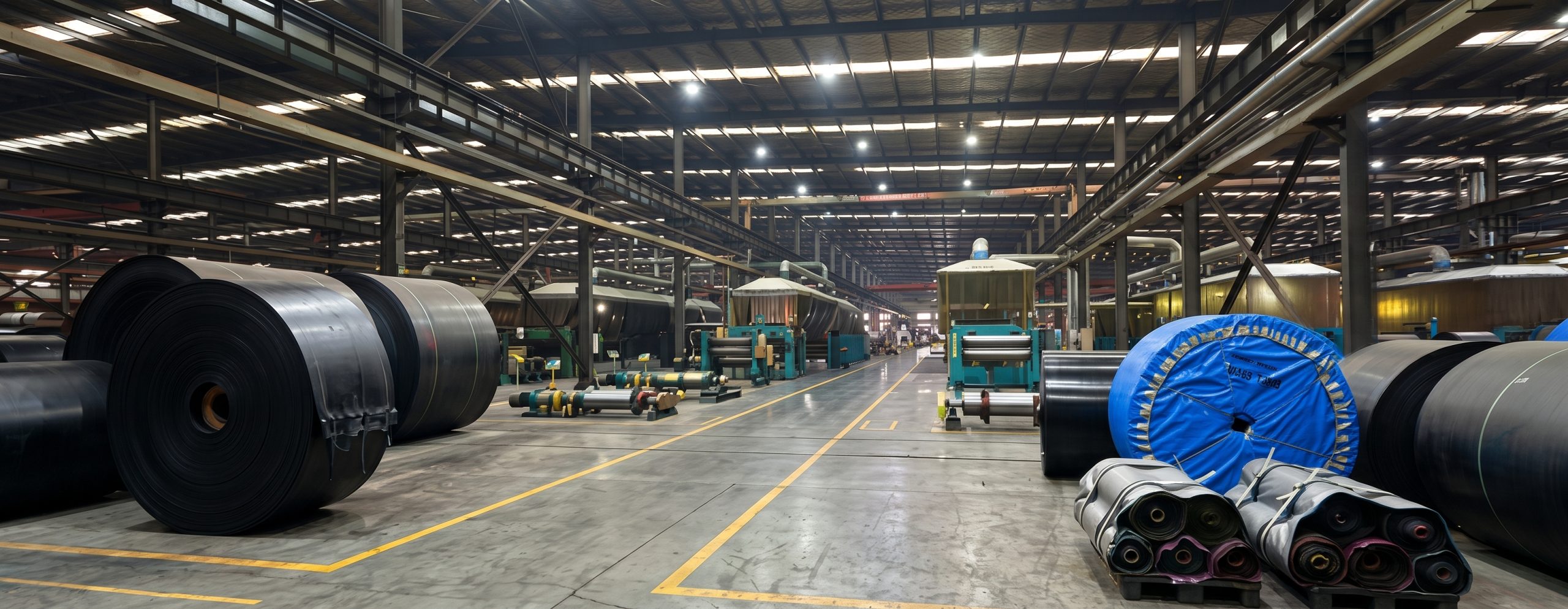
20+ years of conveyor belt manufacturing, dedicated pipe belt production lines, and the engineering capability to solve complex conveying challenges that standard suppliers cannot.
-
Long Distance Curved ConveyingSingle-system routes spanning several kilometers with horizontal and vertical curves — no intermediate transfer stations required.
-
High Tension Pipe Belt — Up to ST 5400Steel cord pipe belt for high-tonnage, long-distance bulk material conveying in large mining and port systems.
-
Large Diameter Pipe Belt — Up to 600 mmFull production range from 150 mm to 600 mm covering coal, ore, cement and port cargo applications.
-
Special Compound Pipe BeltsHeat-resistant, fire-resistant, oil-resistant and cold-resistant compound options for challenging material and environment conditions.
-
Dust-Free System Engineering SupportTechnical support to select belt type, pipe diameter and carcass configuration for zero-emission conveying projects.
-
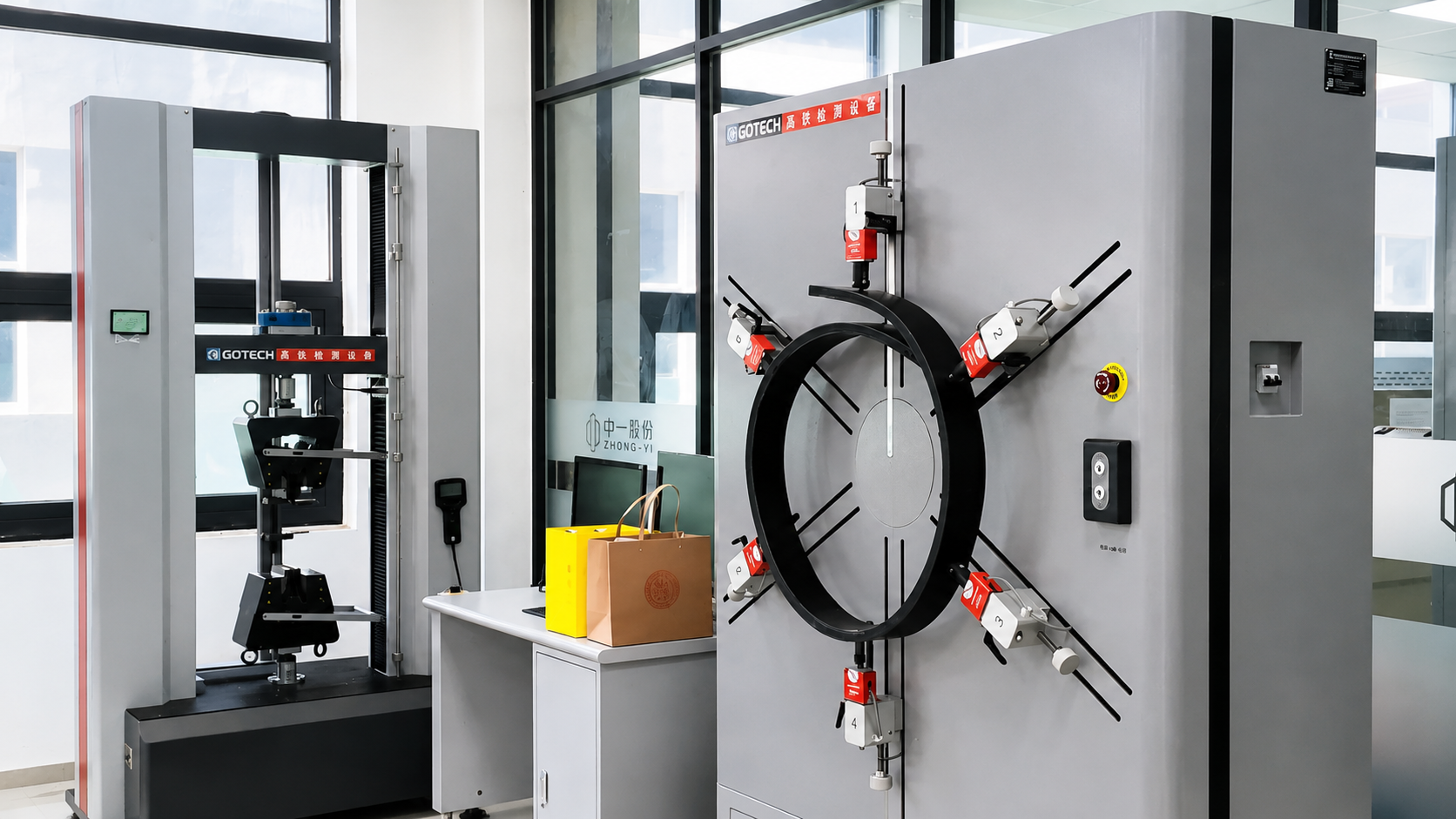
Dedicated Pipe Belt Production LineSpecialized pipe conveyor belt manufacturing equipment and quality control — not repurposed flat belt production lines.
-
ISO-Certified Quality ManagementISO 9001 / 14001 certified. Products conform to GB/T, DIN, JIS and AS international conveyor belt standards.
-
OEM & Custom EngineeringFull OEM capability — custom widths, lengths, compound formulations and carcass configurations engineered to project specification.
-
Pre-Sales Technical Engineering SupportBelt selection guidance, system configuration advisory and technical review from inquiry through to commissioning support.
-
Global Export — 50+ CountriesFull documentation support: commercial invoice, packing list, certificate of origin, test reports — smooth international customs clearance.
Send us your conveying material, distance, capacity and inclination requirements.
Our engineering team will recommend the correct belt type, pipe diameter and carcass configuration — with full specification documentation and a competitive quotation.